If you’ve started researching car seats for a toddler or older child, you’ve probably come across the term “extended rear-facing” — often shortened to ERF. It sounds technical, but the principle behind it is straightforward, and the safety case is one of the strongest in child passenger safety.
Here’s what it means, why it matters, and what to consider if you’re thinking about it for your family.
Rear-facing: a quick recap
All infant car seats are rear-facing by default. When a baby sits rear-facing, the seat cradles the whole body — head, neck, and spine — and spreads the force of a frontal crash across the back of the seat rather than concentrating it on the child’s neck and chest.
Frontal crashes are the most common and most severe type of road collision. A rear-facing seat is designed specifically to handle that scenario as safely as possible.
The catch? Most standard infant seats are only rated to around 13kg, which many children outgrow somewhere between 9 and 18 months. That’s when parents are typically told to move to a forward-facing seat which is where extended rear-facing comes in.
What “extended rear-facing” actually means
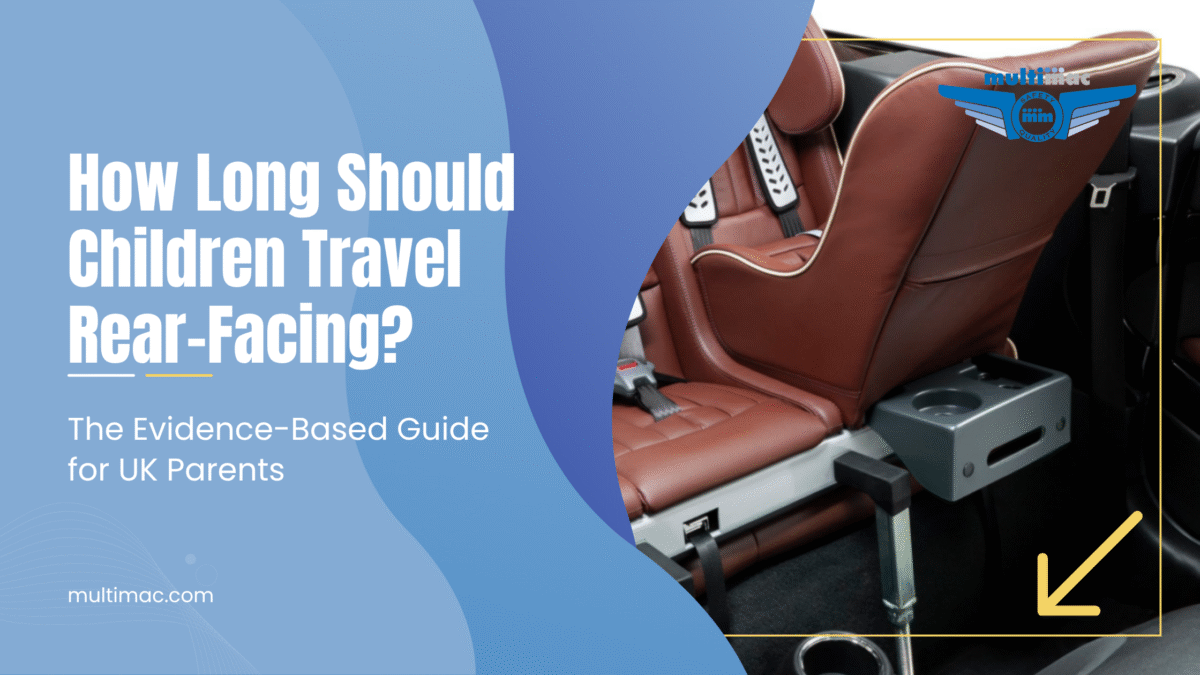
Extended rear-facing simply means keeping your child in a rear-facing position for longer than the traditional switch-over point. Rather than turning them forward-facing at 12–18 months, ERF seats are designed to accommodate children up to around 15-18kg — roughly four years old, depending on the child.
The safety logic stays the same throughout: rear-facing distributes crash forces more effectively across the whole body, which matters especially for young children whose neck muscles and spinal structures are still developing.
Scandinavian countries have used ERF as standard practice for decades. Sweden in particular, has one of the lowest child road fatality rates in the world, and ERF is considered a significant factor in that.
How ERF seats differ from standard seats
A standard Group 1 forward-facing seat is typically used from around 9kg to 18kg. An ERF seat covers a similar weight range, often 0kg – 18kg, but keeps the child rear-facing throughout.
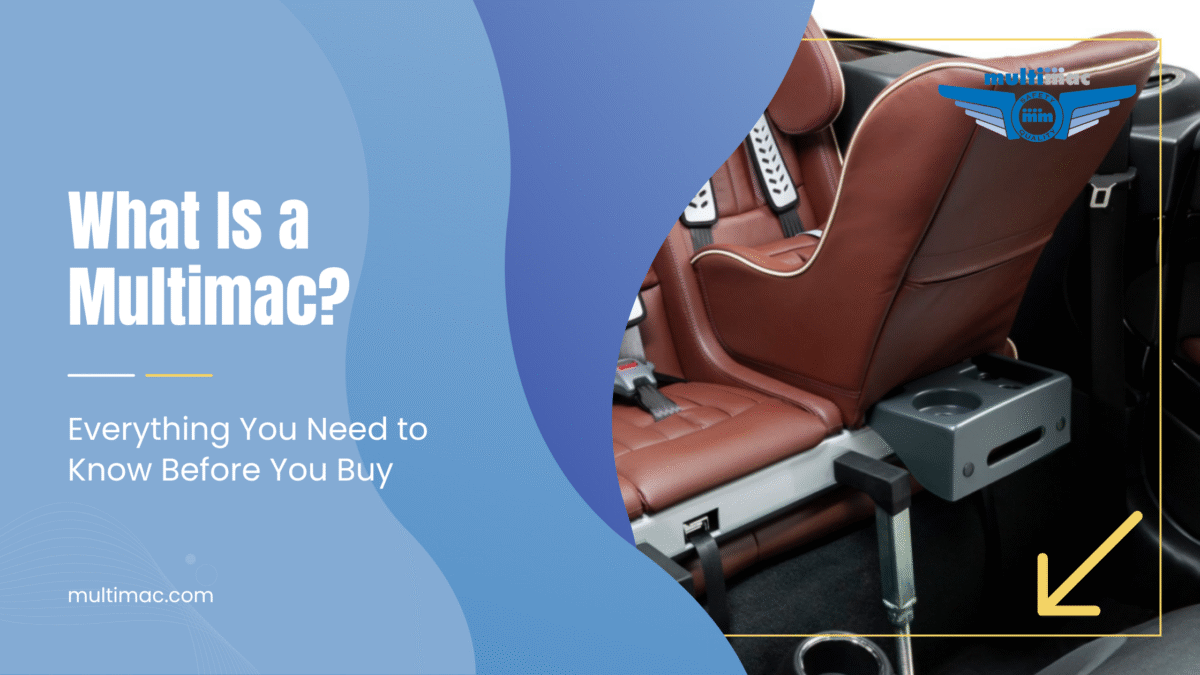
ERF seats tend to be larger and sit slightly differently in the vehicle. They often use a support leg that rests on the floor, rather than a traditional ISOFIX connection alone, which helps manage the forces involved when a larger child is in the seat. Some use a combination of both.
The trade-off people most often mention is legroom. A toddler’s legs will naturally bend or rest against the back seat when rear-facing. This looks uncomfortable to adults, but children adapt to it easily and crucially, legs are not where the risk lies in a frontal crash.
When can children move forward-facing?
There’s no single answer, because different countries set different minimum thresholds. In the UK, the current guidance is that children can travel forward-facing from 15 months at the earliest (under i-Size/R129 regulations), but should ideally stay rear-facing for as long as the seat allows.
The general consensus among child passenger safety experts is: rear-facing for as long as possible, or until the child exceeds the height or weight limit of the seat — whichever comes first.
Age is a guide, but height and weight are the actual limits that matter. A child who is tall for their age may outgrow a seat earlier; a smaller child may stay within the limits longer.
Common questions
Is it safe if my child’s legs touch the back seat? Yes. Leg fractures in crashes are rare and generally minor compared to head and spinal injuries. The rear-facing position protects the parts of the body that matter most.
My child seems to want to face forward does that mean they’re ready? Not necessarily. Children often express preferences about all kinds of things that aren’t in their best interests. A child who is within the height and weight limits of their ERF seat is safer staying rear-facing, regardless of what they’d prefer.
Can I use an ERF seat in any car? Most ERF seats fit a wide range of vehicles, but it’s worth checking compatibility before you buy. Support leg positioning, boot space, and the angle of the rear seat can all affect fit. Many retailers offer fitting checks, and it’s worth using them.
What this means for families with multiple children
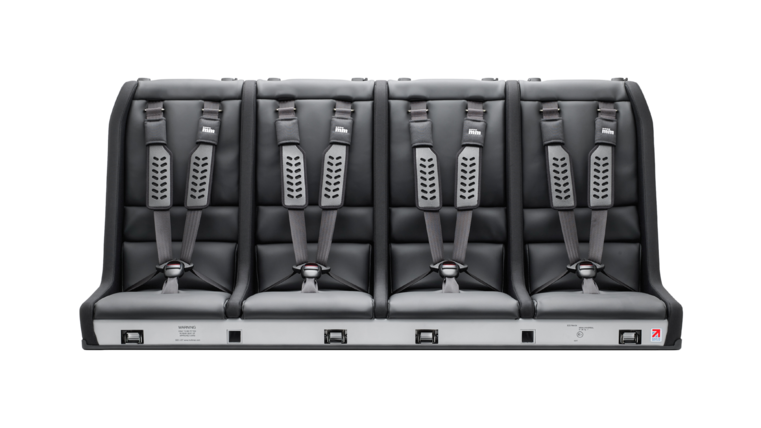
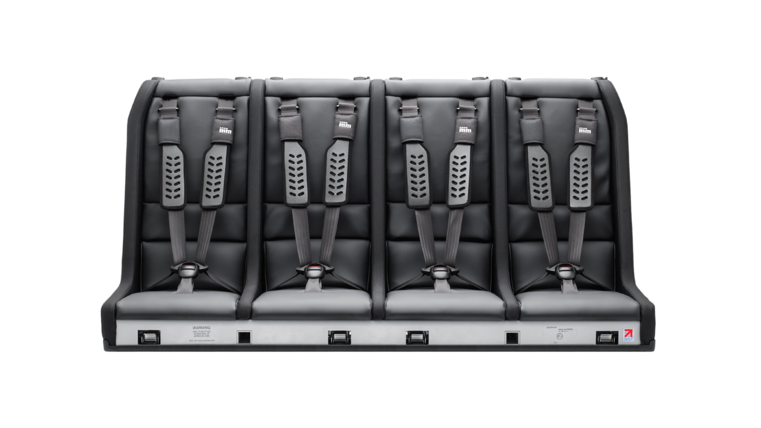
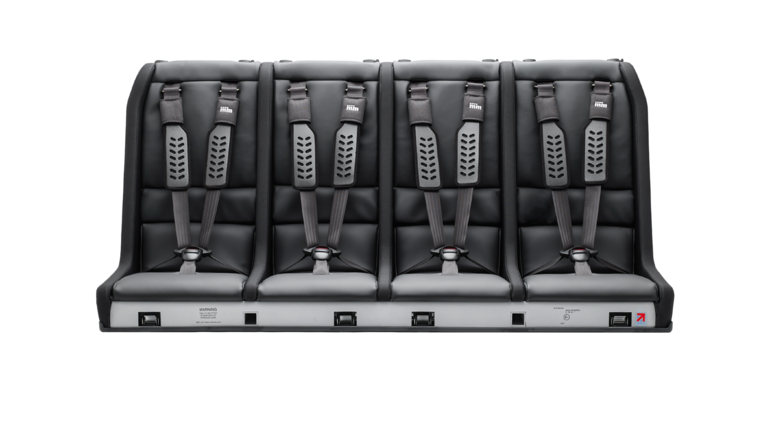
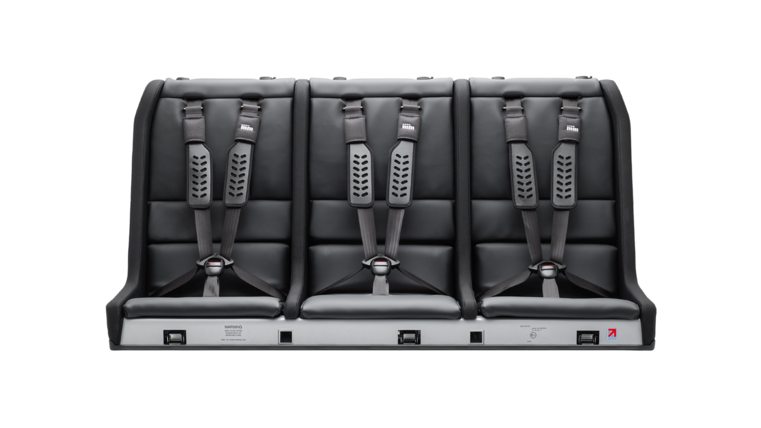
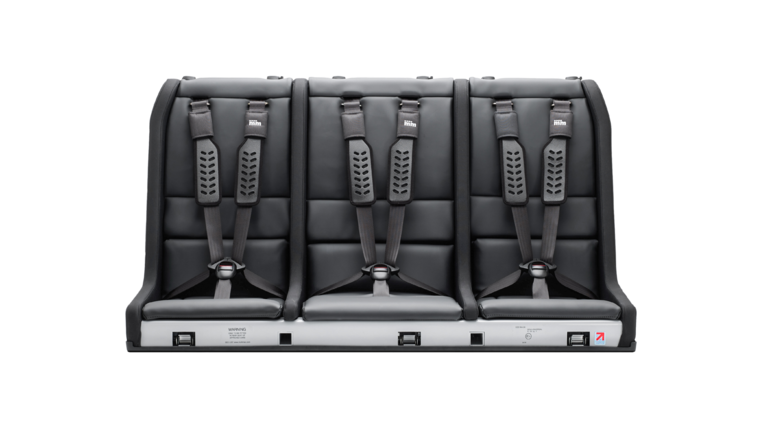
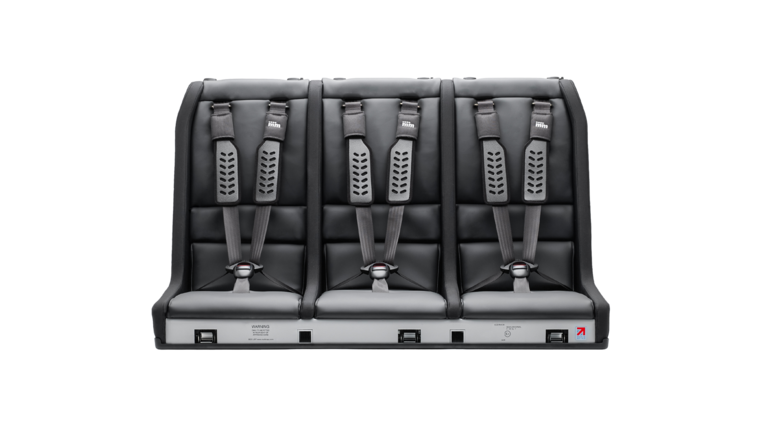
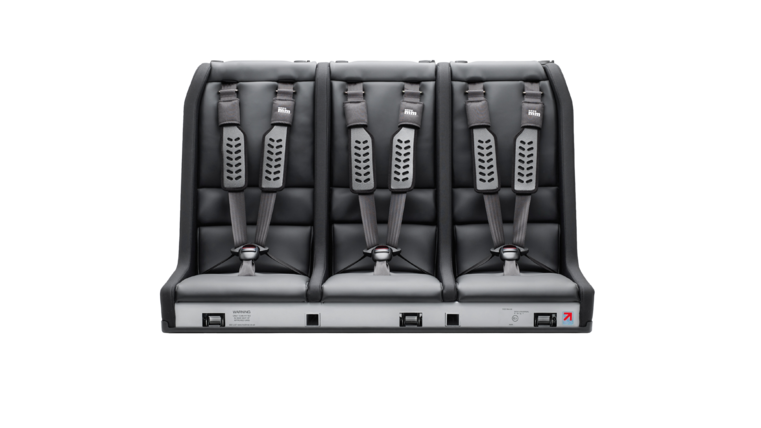
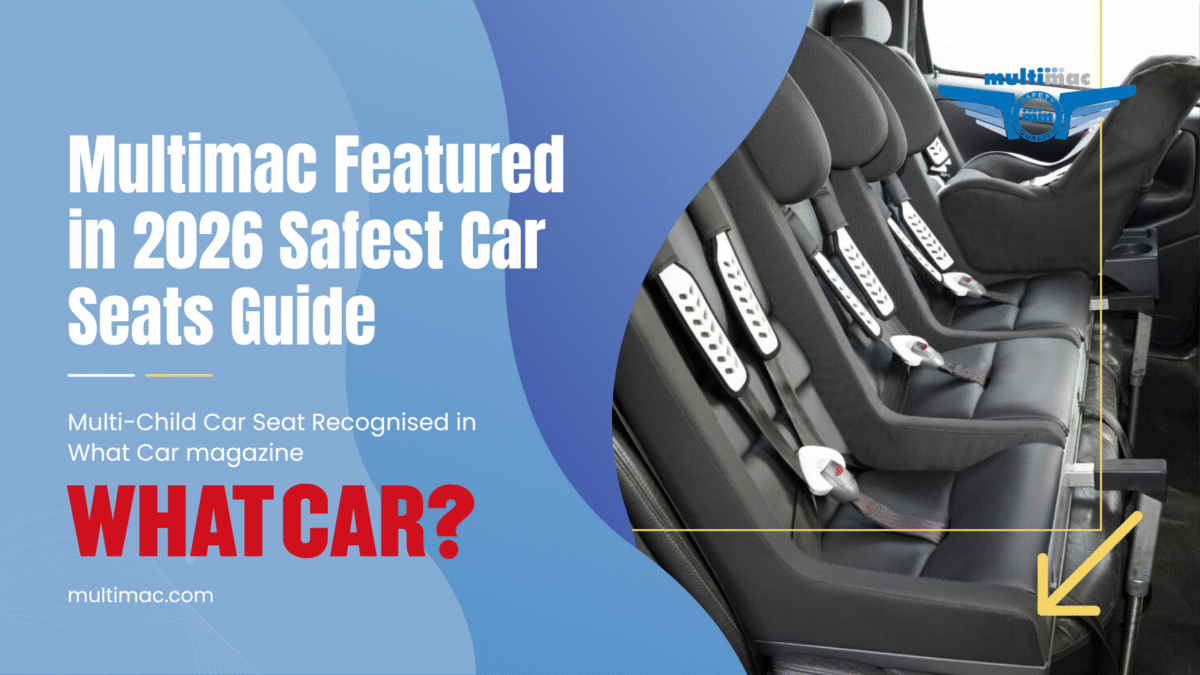
For families with two or more children needing car seats simultaneously, ERF adds another consideration: space. A rear-facing seat takes up more room than a forward-facing equivalent, and fitting two or three ERF seats across the back of most cars is genuinely difficult.
This is one of the real-world challenges that comes up repeatedly in the multi-child car seat space — and it’s something Multimac has been working to address as it develops its extended rear-facing offering. More on that to come.
The bottom line
Extended rear-facing isn’t a niche preference or an overprotective choice. It’s the position that child passenger safety research consistently supports for as long as it’s practical and within the seat’s limits.
If you’re currently deciding between forward-facing and ERF, the evidence points clearly in one direction. The main variables are finding a seat that fits your car and suits your child’s size — and for families with more than one child, finding a solution that actually works across the back seat.
For more on car seat safety regulations and certifications, see our safety page.