If you’ve got one child, extended rear-facing is easy. Pick a good seat, check it fits your car, done. Your child stays rear-facing until they hit the seat’s limits, usually somewhere close to their fourth birthday, and that’s the whole story.
Got two or three? Suddenly, it isn’t easy at all. And almost nothing written about ERF seems to acknowledge that, which is odd, because it’s probably the single biggest reason parents give up on it.
So let’s actually get into it. Why is one seat simple and three isn’t. What’s genuinely possible. What are people doing in the meantime? And where the real ceiling is, because there is one.
One seat fits anywhere. Three is a different problem entirely
A single rear-facing seat just needs a spot in your car. Most cars manage that fine, even with a fairly chunky seat, because you’ve got the whole back row and only one set of dimensions to deal with.
Add a second child, and you’re not picking a seat anymore. You’re solving a jigsaw puzzle. Two ERF seats side by side have to fit the width of your back seat, with enough room that neither one fouls the other’s straps, and ideally without losing access to the middle belt point entirely.
Add a third, and the puzzle gets harder, not just a bit harder, properly harder. You now need three rear-facing footprints across a bench that was designed for three adults sitting normally, legs forward, not three child seats that each eat up more depth than a grown adult’s legroom ever would.
This is the bit that gets skipped in most of the ERF advice out there. Parents researching this rarely need convincing that rear-facing is safer. They’ve usually read that bit already. What they actually want to know is whether it’s even physically doable in the car sitting on their drive.
Why rear-facing seats eat up so much space
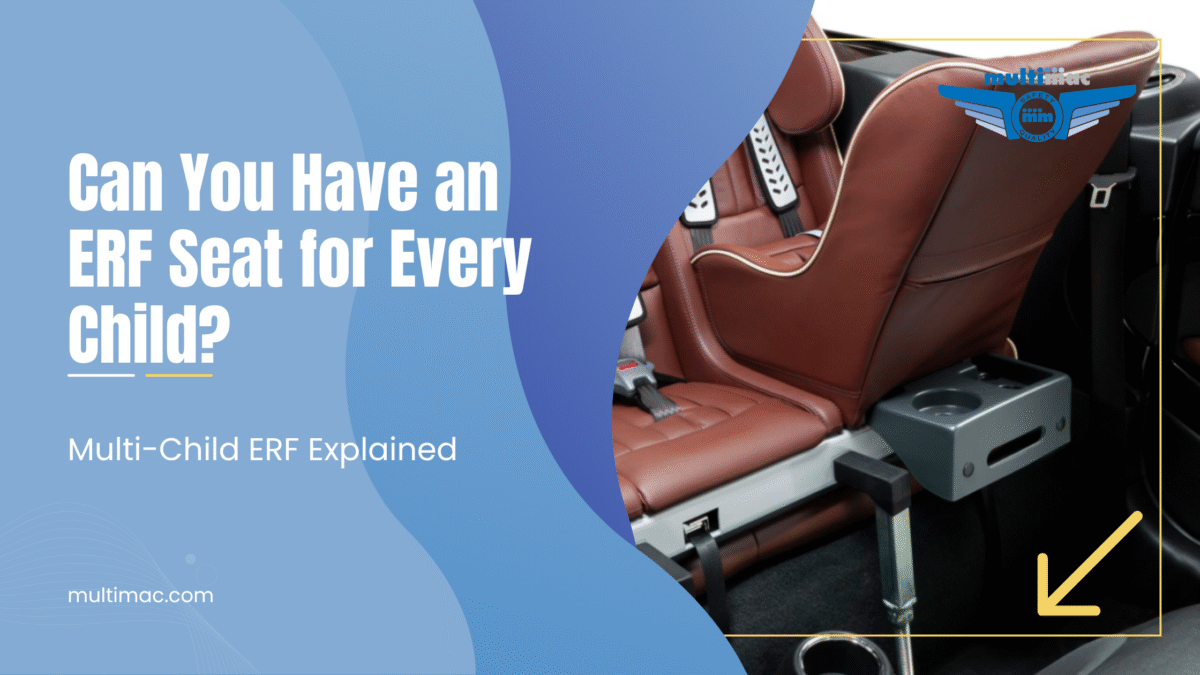
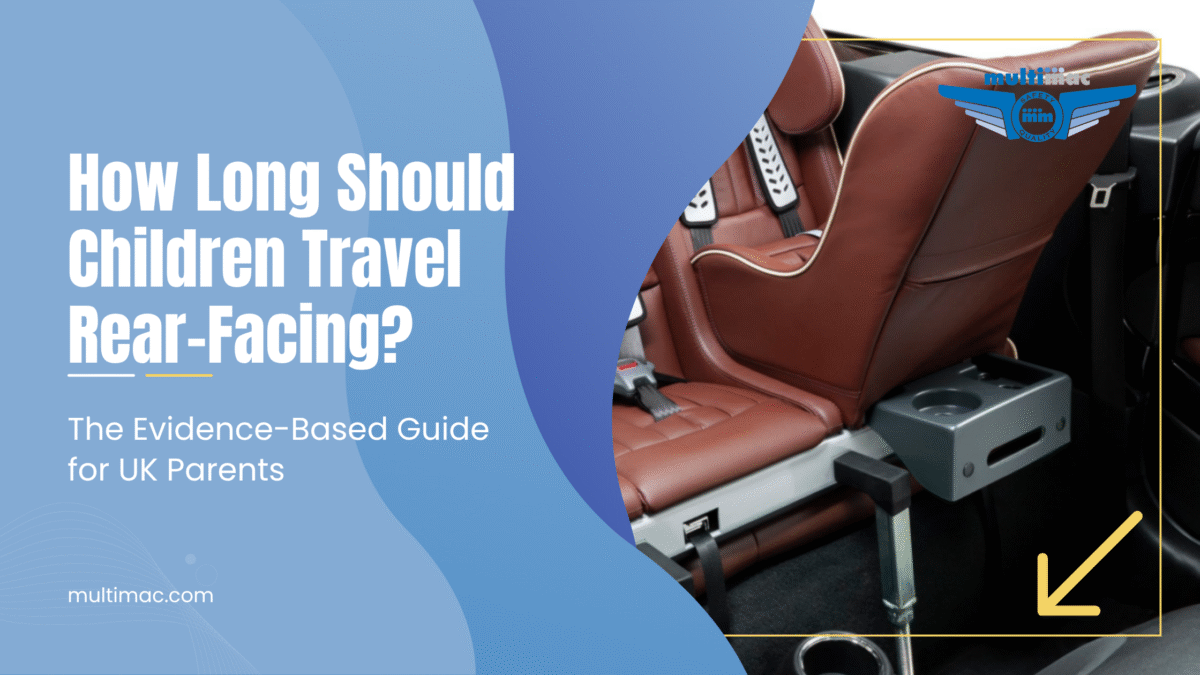
A forward-facing child sits back against the seat, legs hanging or stretched ahead. A rear-facing child’s seat shell points backward into the space where an adult’s legs would normally go, because the whole unit is flipped 180 degrees from how the seat was meant to be sat in.
That’s why you’ll sometimes hear rear-facing seats described as “intruding” into the front. With one seat, it’s barely noticeable; maybe the passenger shuffles forward an inch. With two or three side by side, that intrusion stacks up, and at some point, the people in front simply run out of room to give.
Width is the harder problem, though. Some ERF seats are built specifically to be narrow, and a few genuinely impressive ones get down to around 40- 44 cm. That’s narrow enough that three can squeeze in side by side in some wider cars, if you’re careful about which one goes in the middle and whether you’re using ISOFIX or the seatbelt.
But “narrow” doesn’t mean “universal.” Whether three seats fit depends on your exact car’s interior width, whether the back seat sides are flat or curved (flat fits better, always), where the anchor points actually sit, and whether your middle position even has a clear belt path once the outer two seats are in. Plenty of cars rule this out before you’ve even opened the boxes, no matter how slim the seats are.
And even when it works, you haven’t got one ERF solution. You’ve got three separate products, three purchases, three installs, and three lots of compatibility checking to redo every time you change car. Lose one seat or swap vehicles and you’re often starting from scratch on all three.
What people actually do instead
Most families end up compromising somewhere. A few patterns come up again and again.
One: keep the youngest rear-facing and turn the older ones forward earlier than you’d like, simply because there’s nowhere for them all to go. Completely understandable, and very common, but it means kids lose rear-facing protection sooner than the evidence would suggest, purely down to space rather than readiness.
Two: buy the narrowest seats money can buy and hope. Some families do get three slim seats across, especially in bigger SUVs with flat rear benches. It can work. It usually takes a fair bit of trial and error (and money, since the slimmest seats aren’t cheap).
Three: get a bigger car. A 7-seater solves the width issue by giving you a third row, although that comes with its own headaches, smaller seats, awkward access, sometimes different safety ratings, and obviously a much bigger price tag for what might only be a few years of need.
Four: just… not bother trying to keep everyone rear-facing. Prioritise the youngest; move the others on earlier.
None of these are bad decisions. They’re sensible responses to a real constraint. But none of them fix the actual issue, which is that nearly every ERF seat on the market has been designed with one child in mind.
So what would actually fix this?
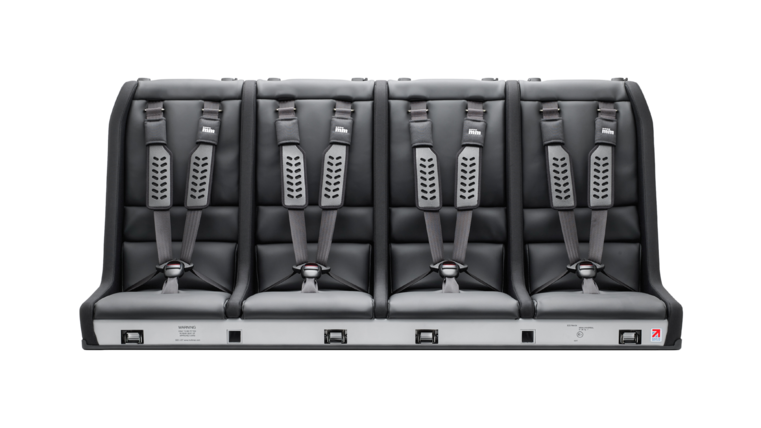
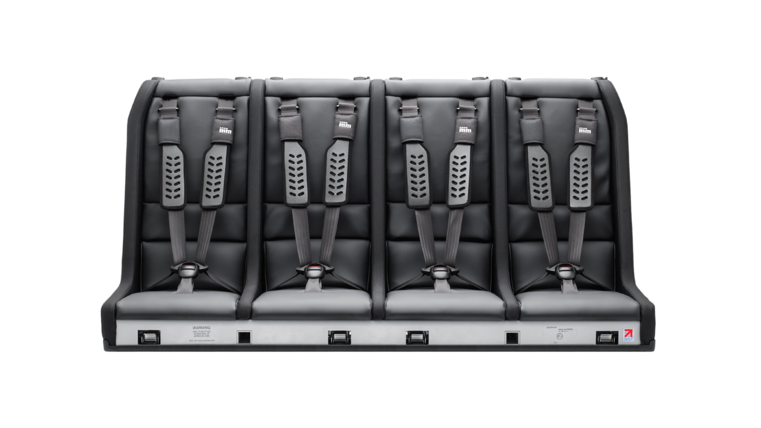
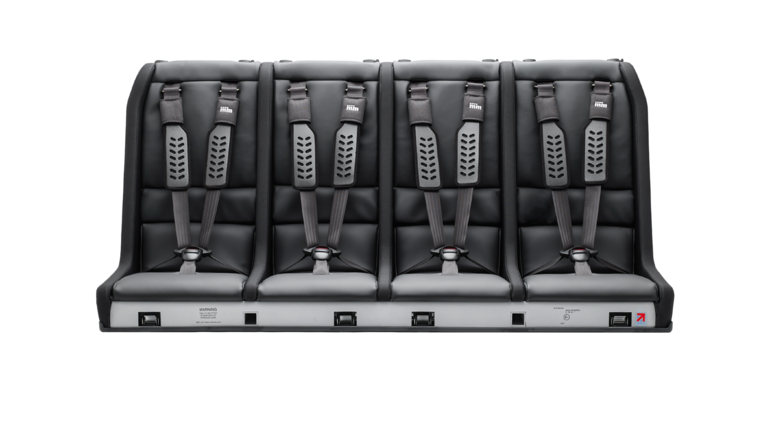
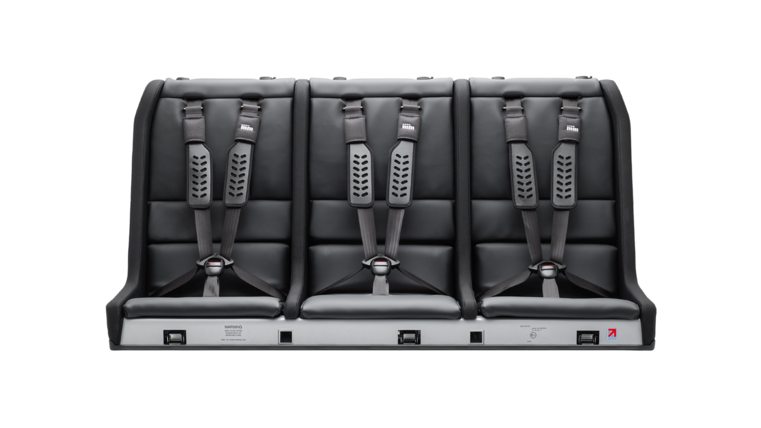
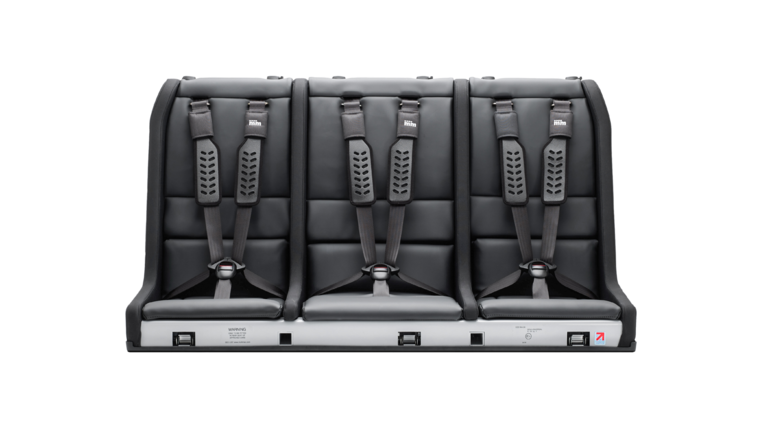
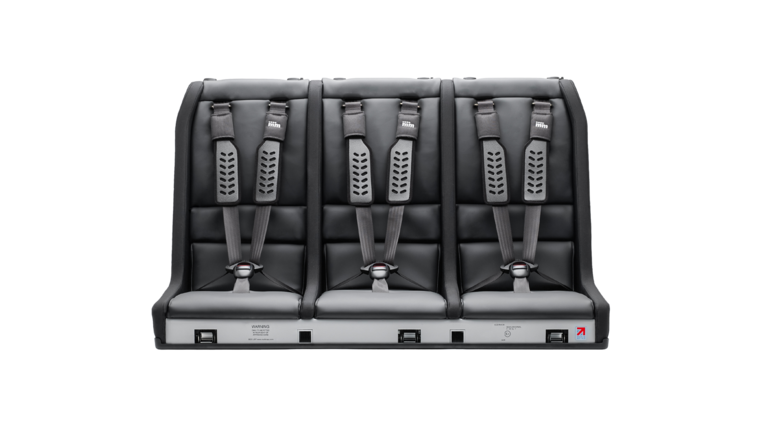
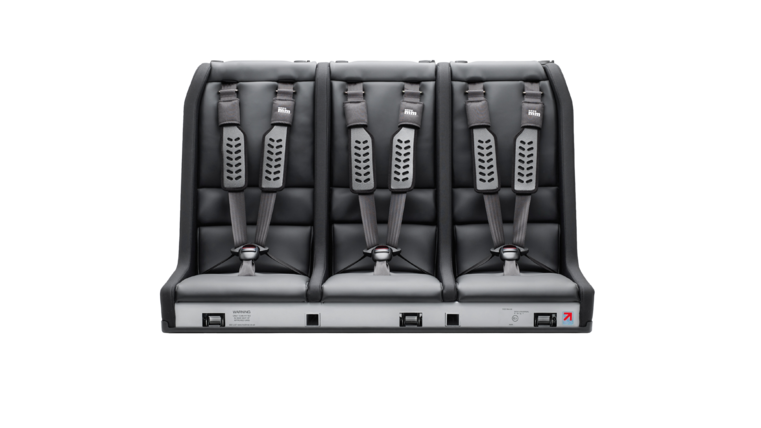
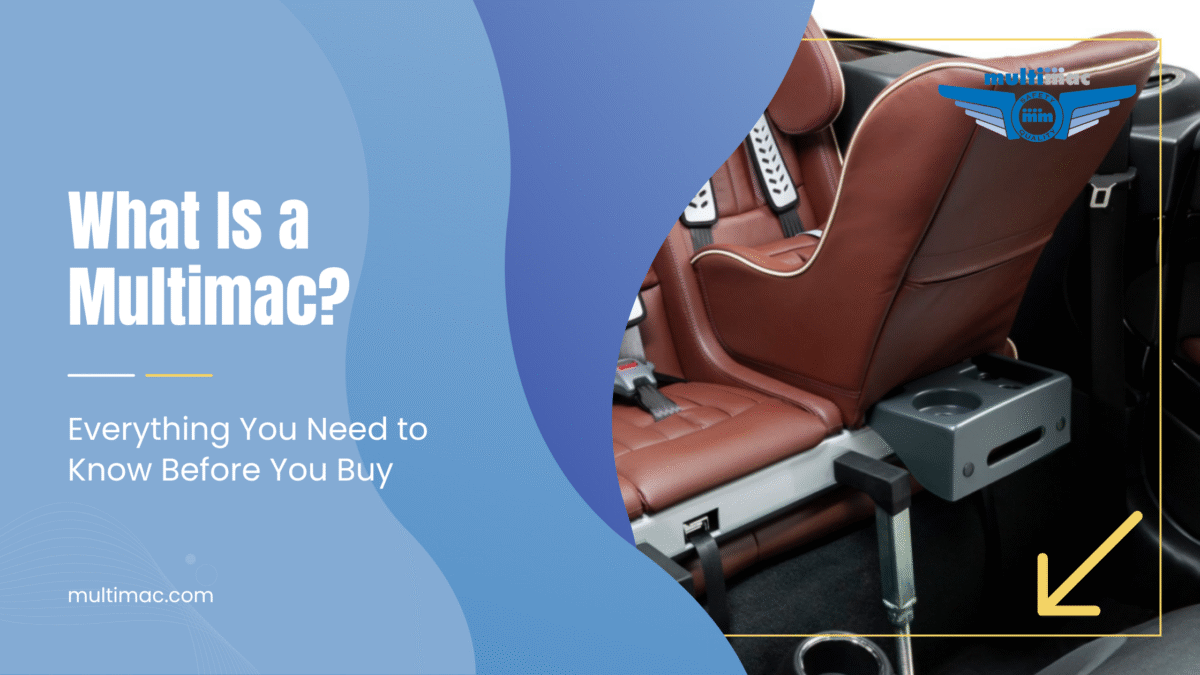
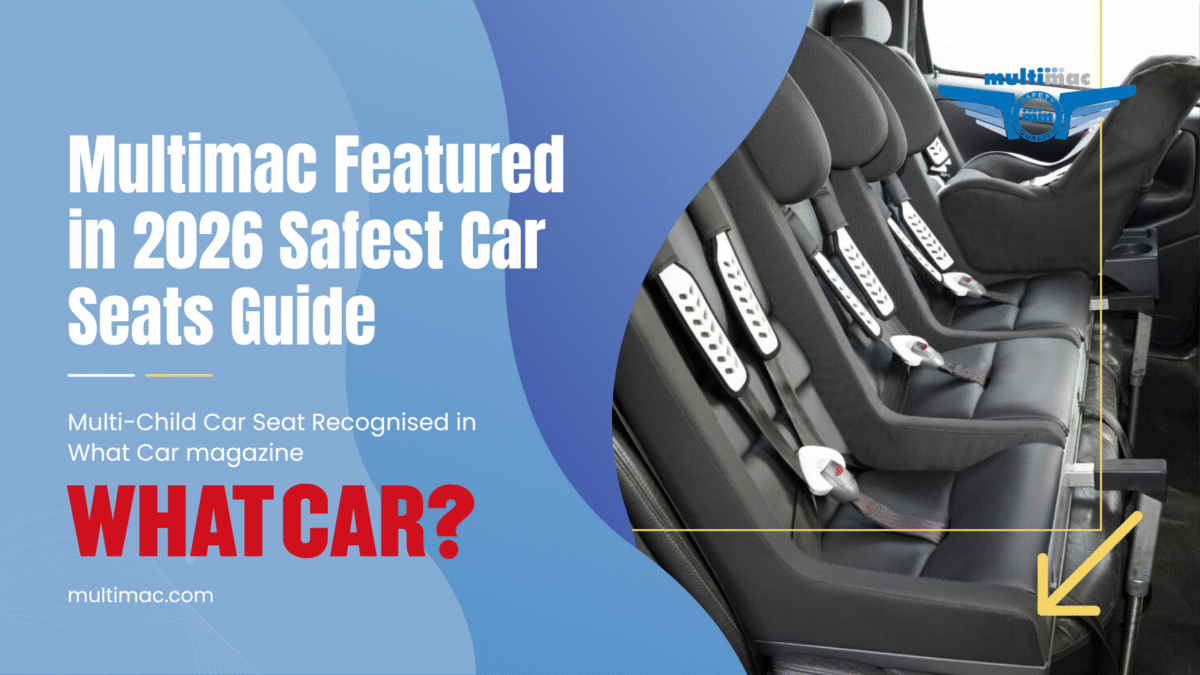
Realistically, you’d need something that doesn’t exist yet in the single-seat world. Not a narrower version of the same seat, but one unit built from the ground up to hold several children rear-facing within the space your car already has. Same footprint, just designed properly for more than one child instead of one child with company squeezed in beside it.
That’s a harder engineering job than it sounds. You’re not just shrinking a seat; you’re working out how the weight sits, how the whole thing anchors, how much room each child actually needs next to the others, and doing all of that as one system rather than bolting separate products together and hoping it holds.
And fitting it is a different job, too. Instead of three or four installs all fighting over the same anchor points, it’s one seat going in once.
Okay, but can’t you just get a bigger car?
Fair question, it’s usually the first thing anyone suggests.
Sometimes the answer’s yes, if you genuinely need more total seats than you’ve got. But a lot of the time, that’s not actually the problem. The problem is the width in the row you’ve already got, not a shortage of rows. And a 7-seater doesn’t necessarily fix that, because the extra capacity sits in row three. Row two, where this whole headache started, is often exactly the same width as the car you just traded in.
So you’ve spent a lot of money solving a problem you didn’t have, while the one you did have is still sitting there.
Where this leaves most families
You and one child are sorted; there are some excellent ERF seats out there already. More than one, and right now you’re picking between a patchwork of separate seats that might fit your car if you’re lucky, turning the older kids forward sooner than you’d like, or a bigger car that may not even solve the actual problem.
We’ve spent years building seats that get multiple children into a standard family car without anyone needing to upgrade vehicles. We’re applying that same thinking to ERF now, and we’ll have more to share soon.
If you’d like to know more about Multimac’s current range, or want to register interest ahead of the ERF launch, get in touch with the team or have a look at the range.