“We’ll have to take two cars.”
That’s the conclusion many families reach when planning their first proper summer holiday with three or four children. The maths seems impossible: three car seats across the back seat, luggage for a week or two, beach equipment, and everything else a family needs for a self-catering break in Devon or the Lake District.
Some families genuinely do end up caravanning to Cornwall in separate vehicles, with all the coordination headaches and extra costs that involves. Others abandon UK road trips entirely and fly instead, despite the eye-watering cost of flights for a family of five or six.
But here’s the reality: thousands of UK families with three, four, or even five children take summer holidays in a single standard car every year. They’re not driving massive people carriers. They’re using normal family estates, SUVs, and saloons.
This guide explains how they do it, shares practical tips for surviving long car journeys with multiple children, and shows you why the “impossible maths” of fitting everyone in one car is actually more straightforward than you think.
The Real Problem (And Why It’s Not What You Think)
When families say “we can’t all fit,” they usually mean one of two things:
Problem 1: “Three car seats won’t fit across the back seat”
Many cars genuinely won’t accommodate three standard car seats side-by-side. The rear seat measures 48-50 inches wide. Three car seats need approximately 51-54 inches. The maths doesn’t work.
But this isn’t actually a car-size problem. It’s a car seat design problem.
Standard car seats are designed as individual units, each with its own base, shell, and padding. When you try to fit three across, you’re essentially trying to squeeze three separate pieces of furniture onto a bench that wasn’t designed for that arrangement.
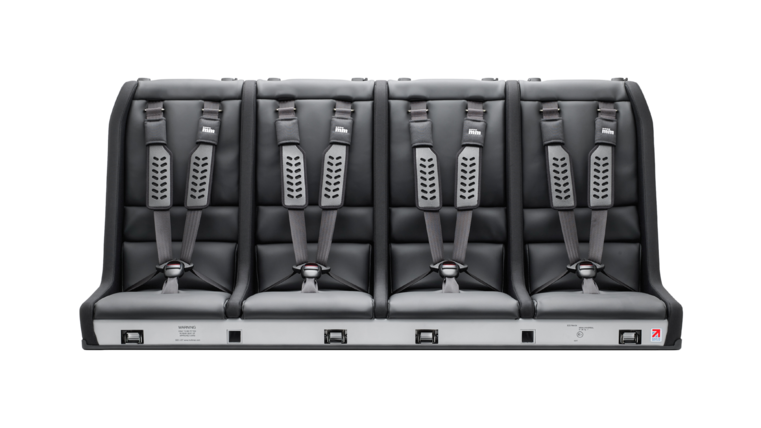
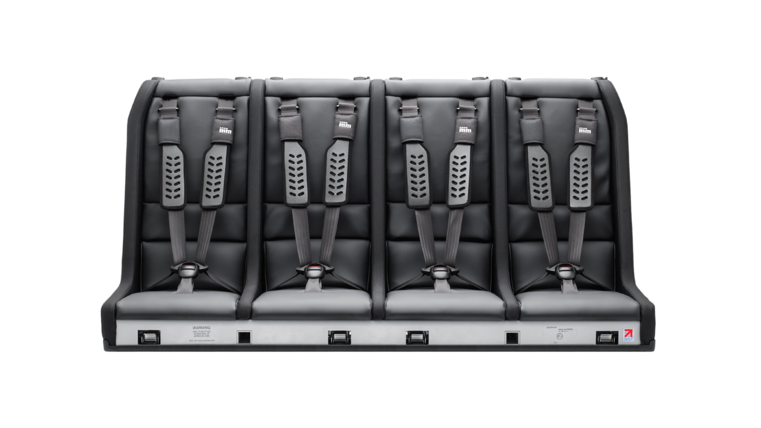
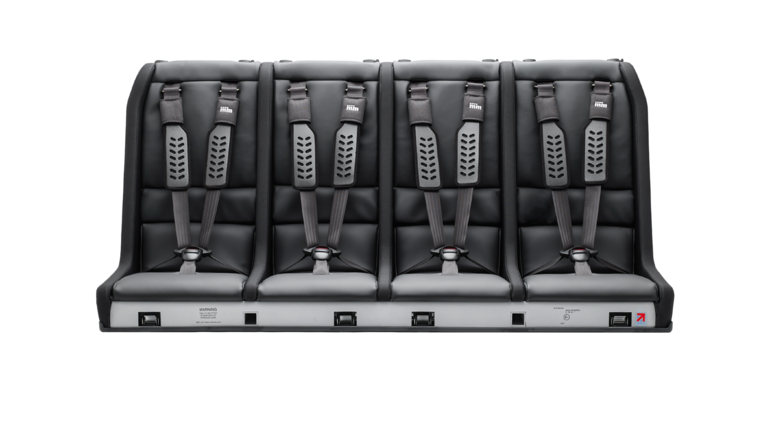
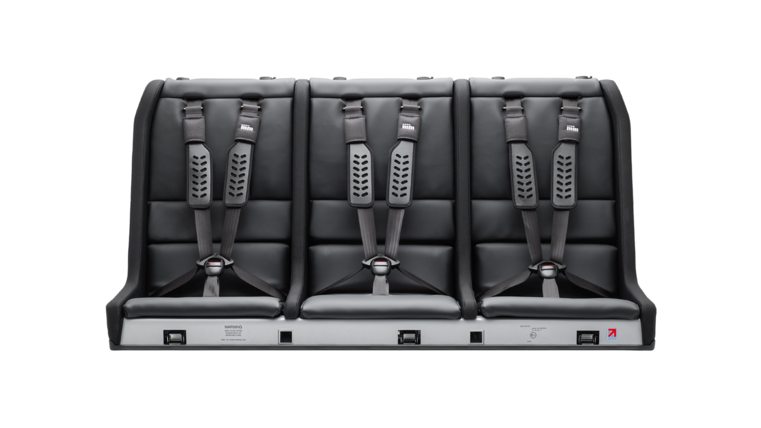
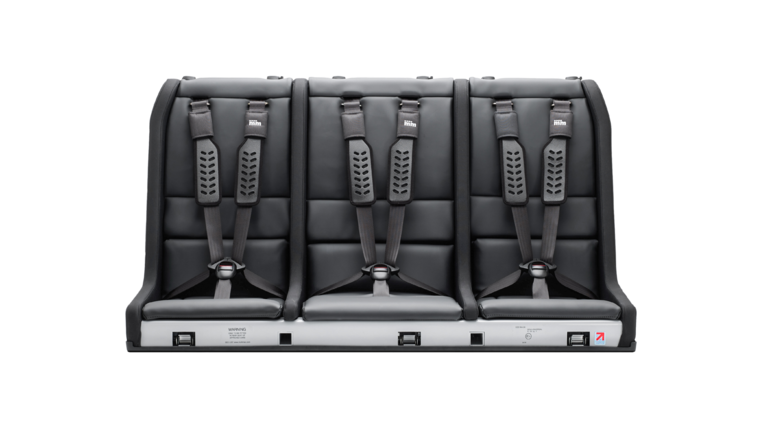
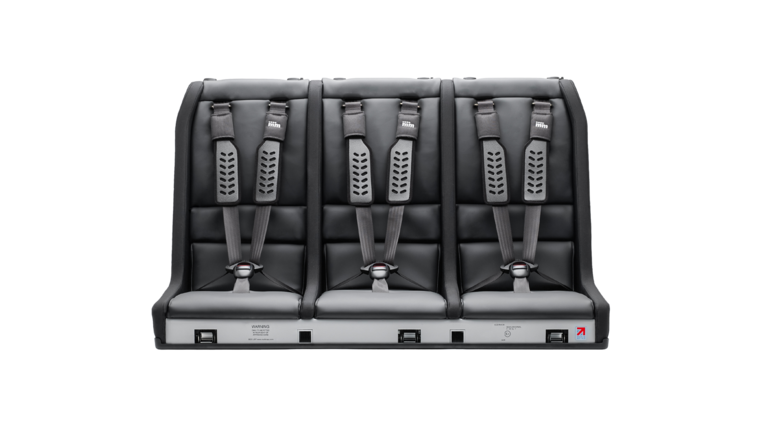
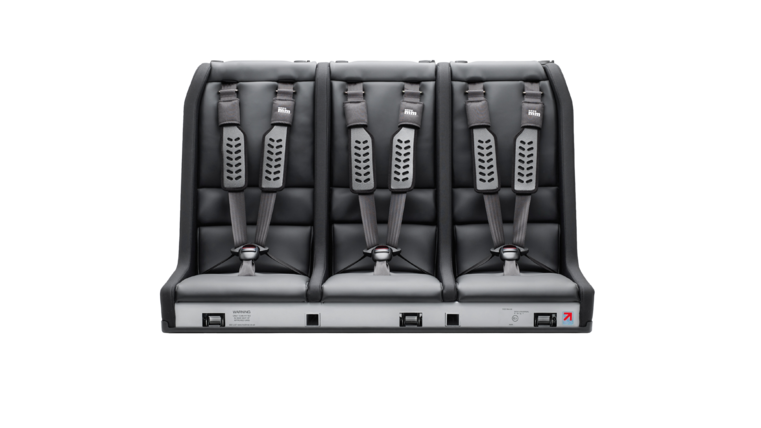
Bench-style multi-child car seat systems solve this by treating the rear seat as a single space for multiple children, rather than trying to fit multiple individual seats side-by-side. The system spans the full width of the rear seat in one integrated unit.
It’s the difference between trying to fit three separate armchairs across your sofa versus having a three-seater sofa designed for that exact purpose.
Problem 2: “Even if the seats fit, there’s no room for luggage”
This is where many families give up. They’ve managed to squeeze three car seats across the back seat, but now the boot won’t close. Suitcases are wedged around children’s feet. The holiday hasn’t even started, and everyone’s uncomfortable.
This usually happens because individual car seats project backwards into the boot space. The rear seat ends up pushed forward to accommodate the depth of the car seats, and the usable boot capacity shrinks dramatically.
Again, bench-style systems solve this because they’re designed to fit within the existing seat footprint without intruding into boot space. Your boot stays its full designed capacity.
How Families Actually Make This Work
Let’s look at real approaches that work for UK families taking summer holidays with multiple children in one car.
Approach 1: Multi-Child Car Seat Systems
This is how most families with three or four young children manage single-car holidays without needing 7-seaters.
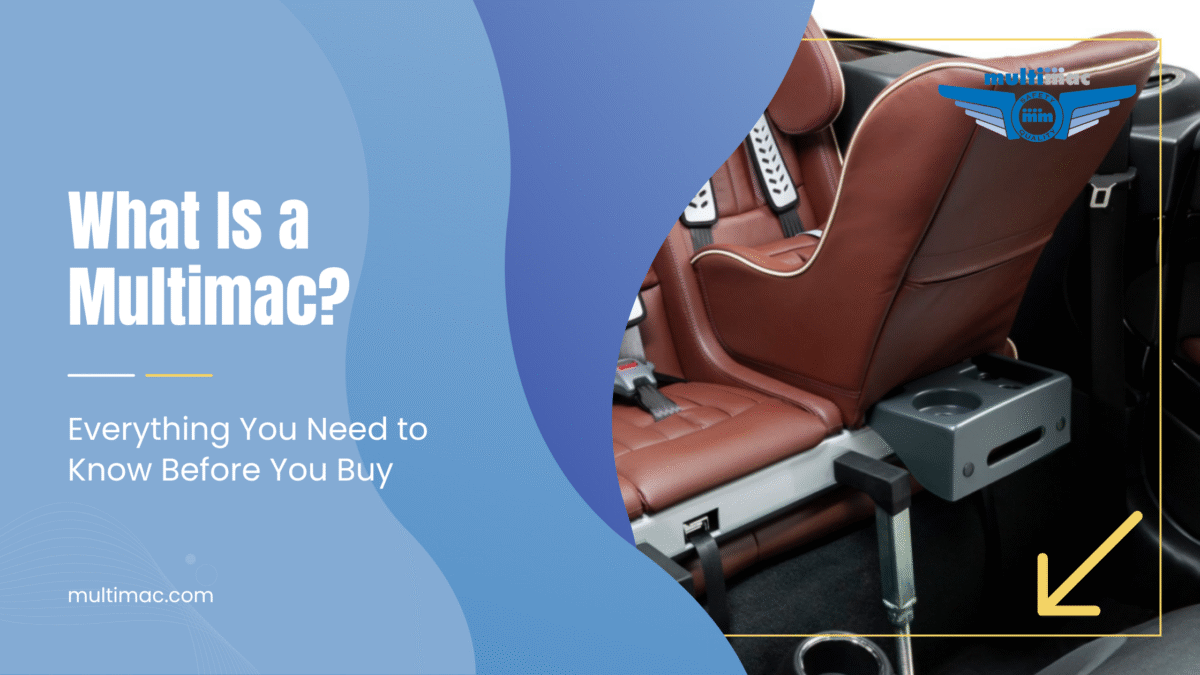
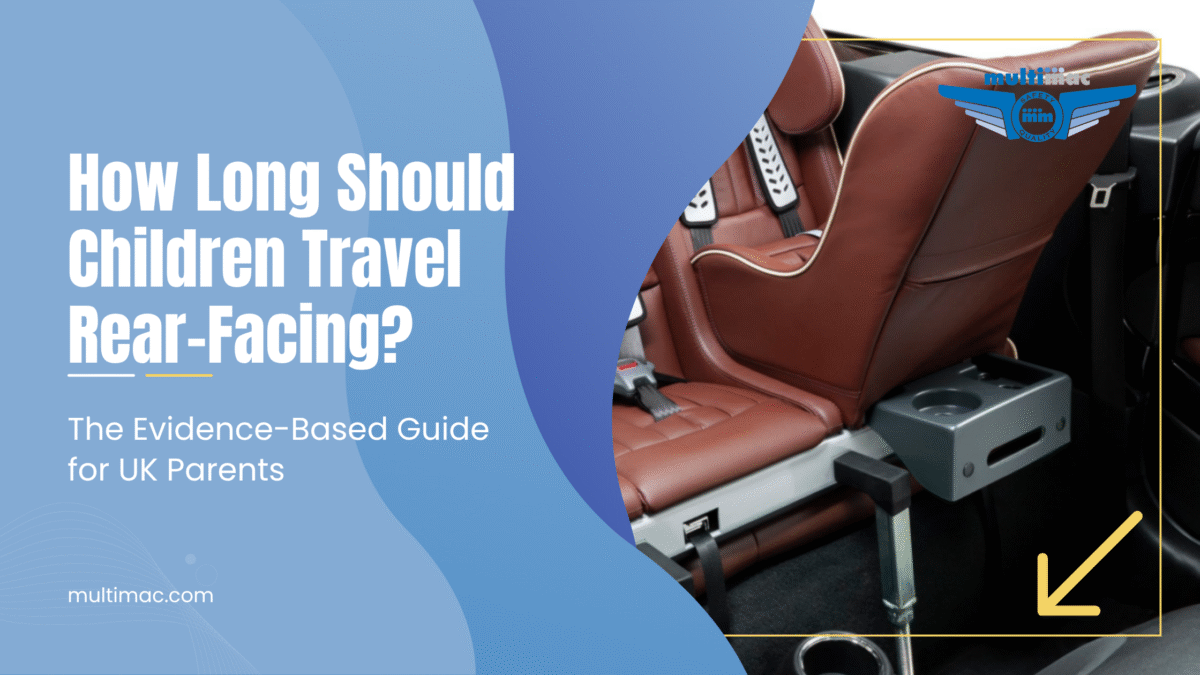
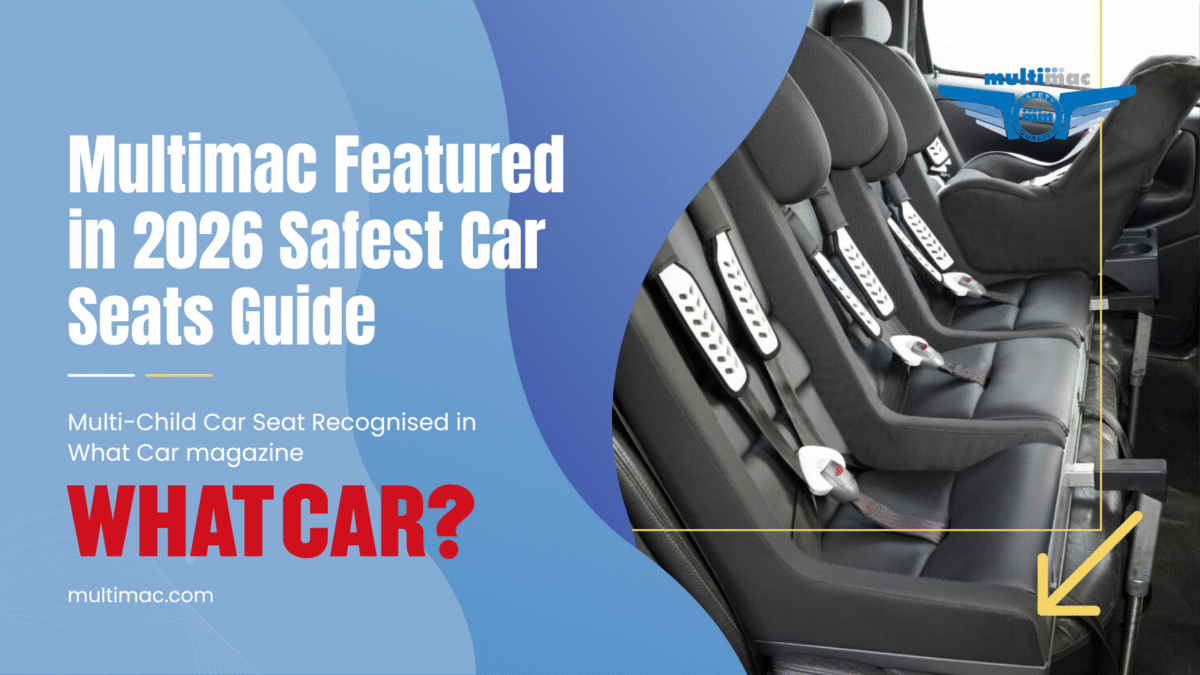
Systems like Multimac use an aluminium frame that spans the full rear seat, with integrated positions for 3 or 4 children aged 0-12 years. The system anchors to structural points in your vehicle and sits entirely within the standard rear seat space.
What this solves:
- All children fit across one rear seat row
- Boot space remains completely intact
- No individual seats projecting backwards
- Parents can access children from either side
- Works in standard estates, SUVs, and even some saloons
What you need:
- Children who all require car seats (under 135cm/12 years)
- A vehicle with adequate rear seat width (most standard cars work)
- Professional installation (one-time, then stays installed)
- Budget of approximately £2,200-£2,500
The Henderson family from Berkshire uses Multimac in their Volkswagen Tiguan for annual trips to their caravan in Pembrokeshire. Three children aged 3, 6, and 8 fit comfortably across the back, and the boot accommodates two weeks of luggage, beach equipment, and supplies without needing a roof box.
The O’Brien family fits four children aged 2-10 in their Volkswagen Cayman using a 4-seater system, with enough boot space remaining for their annual Scottish Highlands trip, including camping equipment.
Approach 2: Narrow Car Seats (For Specific Situations)
Some families successfully use specially-designed narrow car seats like Clek Fllo or Diono Radian to achieve 3-across fitting.
When this works:
- Your car has genuinely wide rear seats (52+ inches)
- Children are similar ages requiring the same seat type
- You’re comfortable with very tight access to buckles
- Short-term solution (1-2 years before children outgrow)
When this doesn’t work:
- Mixed ages requiring different seat types (infant + toddler + booster)
- Rear seat width under 51 inches
- You need easy access to harnesses and buckles
- Long-term solution needed
The narrow seat approach can work but has limitations that make it frustrating for many families, particularly when children are different ages and sizes.
Approach 3: Using the Front Passenger Seat
If your car genuinely won’t accommodate three seats across the back, and multi-child systems don’t suit your situation, using the front passenger seat for your eldest child (provided they meet legal requirements) can work.
Legal requirements:
- Child must be 135cm tall OR 12 years old
- The airbag must be deactivated if using a car seat
- Child must use appropriate restraints for their size
What this means for holidays:
- Two younger children in the rear seats
- Eldest in the front passenger seat
- Boot space available for luggage
- One parent is back with the young children if needed
This isn’t ideal long-term, but it enables families to take holidays in their existing car whilst children are in that transitional age range.
Surviving Long Car Journeys with Multiple Kids
Once you’ve solved the fitting problem, you still need to actually survive 4-6 hours in a car with three or more children. Here’s what works.
Strategic Timing
Early morning departures (5-6am): Many families swear by leaving before dawn. Children sleep for the first 2-3 hours. You cover serious distance in peace. They wake up as you’re arriving or ready for a planned breakfast stop.
Late evening departures (7-8pm): If early mornings don’t suit your family, late evening works similarly. Children settle after dinner, sleep through most of the journey, transfer straight to beds at your destination.
Avoid 2-4pm: This is peak tired-but-not-sleepy zone for most children. Energy is low, patience is thin, and boredom sets in fast. If you must travel midday, plan for this being the hardest part of your journey.
Entertainment Strategies That Actually Work
Individual cheap tablets with downloaded content: The most effective solution for children old enough to manage them (usually 4+). Download films, shows, and games before departure. Provide headphones. Accept that screen time rules relax during long journeys.
Audio content for the whole car: Story podcasts and audiobooks work brilliantly for mixed ages. Try “Storynory” for younger children, “The Week Junior” podcast for 6-12 year olds, or family-friendly audiobooks like Roald Dahl or David Walliams.
Strategic snack management: Pack individual snack boxes for each child. Non-messy options: breadsticks, rice cakes, dried fruit, cheese cubes in sealed containers. Avoid chocolate (melts), crisps (crumbs everywhere), and anything requiring napkins.
The “surprise bag”: Pack a bag of small wrapped items (cheap toys, activity books, sticker sets from pound shops). Hand them out at strategic low points during the journey. The novelty factor buys you 20-30 minutes of peace per item.
Window markers: Washable window markers let children draw on car windows. They’re entertained, mess is contained, and it washes off easily. Works particularly well for 3-7 year olds.
Managing Stops Without Losing Your Mind
Plan strategic service stations: Not all service stations are equal. Look for ones with outdoor space, decent facilities, and food options beyond burger chains. Oxford Services (M40), Tebay (M6), and Gloucester Services (M5) are particularly family-friendly.
Build in proper break time: Don’t rush stops. Budget 30-40 minutes minimum. Let children run around properly, use toilets without rushing, and reset their patience for the next leg of the journey.
Pack a football or frisbee: Ten minutes of actual physical activity at a service station makes an enormous difference to the next 90 minutes in the car. Service station car parks often have grassy areas at the edges, perfect for this.
Toilet before leaving EVERY stop: “I don’t need to go” is a lie. Everyone uses the toilet before getting back in the car. This is non-negotiable. It prevents the “I need a wee” announcement 15 minutes down the motorway.
Seating Arrangements That Prevent Arguments
Rotate positions for longer journeys: If your multi-child system or seating arrangement has a “best” position (usually middle with most space or window with best view), rotate children through it at each stop. Reduces “it’s not fair” arguments.
Separate known conflict pairs: If two children consistently wind each other up, don’t seat them next to each other. Use the third child or space as a buffer.
Give each child their own defined space: Whether using individual car seats or a bench system, make clear boundaries. “This is your space, this is your sibling’s space.” Reduces the “they’re touching me” conflict.
Temperature Management
Sun shades are essential: Proper window sun shades (not flimsy suction cup ones) make an enormous difference to rear seat comfort. Children can’t move away from direct sun, so you need to block it.
Dress in layers: Car temperature varies wildly. Start cool (car heats up from sun and bodies) with layers children can remove. Much easier than trying to cool overheated, grumpy children.
Keep water bottles within each child’s reach: Hydration matters. Every child should have their own bottle they can access without needing to ask. Reduces “I’m thirsty” interruptions.
What to Do If Multi-Child Systems Don’t Suit Your Situation
Bench-style car seat systems work brilliantly for many families but don’t suit everyone. Here are alternatives for specific situations.
If your children are widely spaced in age:
If you have a 10-year-old, 6-year-old, and 2-year-old, your eldest might not need a car seat at all (if they meet height/age requirements). This changes the equation:
- Eldest uses a standard seatbelt
- Two younger children in appropriate car seats
- Much easier to fit two car seats plus one seatbelt-wearing child
If you only have one or two more summers needing this:
If your eldest turns 12 next year, investing £2,500 in a multi-child system might not make financial sense. Consider:
- Narrow car seats for short-term use (1-2 years)
- Hiring a larger vehicle for specific holidays
- Front passenger seat for borderline-age children
If your car genuinely won’t accommodate any solution:
Some very compact cars (Mini 3-door, Fiat 500) truly won’t fit three children safely, regardless of seat arrangement. For these situations:
- Holiday car hire (typically £400-£800 for 1-2 weeks)
- Consider whether the current car suits your family’s actual needs
- If you’re keeping the car for other reasons, hiring for holidays works fine
The Cost Reality: One Car vs Two Cars vs Bigger Car
Let’s look at actual numbers for a family planning a two-week Devon holiday (300 miles each way).
Scenario 1: Two cars (splitting family)
- Two sets of fuel costs: £80 × 2 = £160
- Two sets of insurance, tax, MOT: ongoing annual costs
- Lost family time travelling separately
- Coordination stress
Scenario 2: Bigger car purchase
- Vehicle cost: £35,000+ for adequate 7-seater
- Depreciation over 5 years: £12,000-£15,000
- Increased insurance: £200-£400/year
- Higher fuel costs year-round
- For what? Two weeks of actual need per year
Scenario 3: Multi-child system in current car
- System cost: £2,300 (one-time)
- Installation included
- Keep existing car (no depreciation hit)
- Keep existing insurance costs
- Everyone travels together
- Works for 8-12 years as children grow
Scenario 4: Holiday hire car
- Two weeks hire: £600-£1,000 (peak season)
- Fuel as normal
- Return to the normal car after the holiday
- Works if this is genuinely your only multi-child transport need
The multi-child system approach costs £2,300 once and works for a decade. The bigger car costs tens of thousands in purchase price and depreciation. Two cars doubles your motoring costs permanently.
For families who actually need to transport multiple children regularly (school runs, activities, weekends), the multi-child system makes overwhelming financial sense. For families whose only multi-child transport need is 2-3 weeks of summer holidays, hire cars might work better.
Making Your Decision
Work through these questions to identify what suits your situation:
How often do you need all children in the car?
- Daily/weekly: Multi-child system or vehicle-based solution needed
- Monthly: Flexible approach works
- 2-4 weeks annually: The hire car approach is viable
What are your children’s ages?
- All under 12: The multi-child system works perfectly
- Eldest borderline (10-12): May only need a solution for 1-2 years
- Wide age gaps: Check if the eldest has already outgrown the car seat requirement
What’s your realistic budget?
- Under £500: Narrow seats or front passenger seat approach
- £500-£1,000: Holiday hire car solution
- £2,000-£3,000: Multi-child system
- £35,000+: Vehicle purchase (only if this genuinely suits your needs beyond holidays)
How important is travelling together?
- Essential: Multi-child system or bigger car
- Nice but not critical: Two-car approach acceptable
- Flexible: Depends on the specific journey
Real Families, Real Holidays
The Kotera family takes annual trips from London to the Peak District with four children aged 2-11 in their Audi Q5. The Multimac 4-seater system fits all children comfortably, and the boot accommodates two weeks of luggage and hiking equipment. They’ve done this trip for three years without needing a larger vehicle.
The Thompson family uses Multimac in their BMW 3 Series for regular trips from Edinburgh to their caravan in Fife. Three children aged 4-9 fit across the back seat. Boot space remains adequate for weekend breaks and weekly trips during summer.
Claire from Hampshire takes her four children (ages 3-12) on camping trips throughout the UK in her standard estate car. The Multimac system means everyone fits, and boot space accommodates camping equipment for week-long trips.
These aren’t aspirational scenarios. These are regular families taking normal UK holidays in standard cars because they’ve solved the seating arrangement problem.
Planning Your First Multi-Child Summer Holiday
If this is your first summer attempting a proper family road trip with three or more children, here’s your planning checklist:
Six weeks before:
- Verify your car seat arrangement works (test packing the car)
- If you need a different solution, research and implement now
- Book accommodation with easy parking
- Plan your route with 2-3 strategic stops
Two weeks before:
- Download entertainment content to tablets
- Pack individual snack boxes
- Prepare surprise bag items
- Buy window markers and activities
Week before:
- Check tyre pressures and fluid levels
- Clean car interior thoroughly (you’ll be in here for hours)
- Test entertainment setup actually works
- Pack efficiently using luggage cubes
Day before:
- Pack car the night before to check everything fits
- Prepare morning snacks and drinks
- Charge all devices fully
- Set early alarm if doing dawn departure
Journey day:
- Leave on time (easier said than done)
- Expect at least one unplanned stop
- Keep expectations realistic
- Remember the journey is part of the holiday
Yes, You Can All Fit in One Car
The maths that seems impossible — three car seats, two weeks of luggage, beach equipment, and maintaining your sanity for a 4-hour drive — actually works fine once you solve the seating arrangement problem.
Thousands of UK families with three, four, or five children take summer holidays in standard cars every year. They’re not driving enormous people carriers. They haven’t bought second vehicles. They’ve simply arranged their car seats in a way that actually works rather than trying to force three individual seats to fit where they weren’t designed to go.
Whether you use a multi-child system, narrow car seats, strategic front-seat positioning, or hire cars for specific holidays, the key realisation is this: you don’t need a bigger car or two cars. You need a solution that fits your specific situation.
For most families with children who’ll be in car seats for several more years, that solution is a bench-style multi-child system that costs £2,300 once and works for the next decade. For families with older children or very short-term needs, other approaches work fine.
But either way, the answer is yes: you absolutely can take your whole family on summer holidays in one car. You just need to set it up properly.
Ready to check whether your car works with a multi-child system?
Use the Multimac fitting checker to verify your specific vehicle. See exact pricing through the quote builder. Contact the team at 0121 44 22 007 or info@multimac.com with questions about whether Multimac suits your particular family situation.
This summer, travel together. Your family holiday shouldn’t require two cars or a vehicle upgrade. It just needs the right seating solution.