If you’ve recently started researching car seats for your children, you’ve probably encountered confusing terminology like R129, i-Size, ECE R44/04, and wondered what it all means. You’re not alone. The world of car seat regulations can feel overwhelming, particularly when all you want is a straightforward answer about keeping your children safe.
This guide will explain everything UK parents need to know about R129 car seat regulations in 2026, why they matter, and how to ensure your car seat meets the highest safety standards.
What Is R129?
R129, also known as the i-Size regulation, is the current European safety standard for child car seats. First introduced in 2013, it represents a significant upgrade over the previous ECE R44 standard, with enhanced testing requirements and clearer guidance for parents.
The regulation takes its name from UN ECE Regulation No. 129, the official document that sets out the safety requirements all approved car seats must meet. Since September 2024, R129 has fully replaced R44/04 for all new car seats sold in the UK and EU, though older R44/04 seats purchased before this date remain legal to use throughout their lifespan (typically 8-10 years from manufacture).
Why R129 Represents a Major Safety Upgrade
The shift from R44 to R129 wasn’t just regulatory tidying up. It reflects decades of crash data analysis, advances in testing technology, and a better understanding of how to protect children in vehicles.
1. Mandatory Side-Impact Testing
Under the older R44 standard, car seats only needed to pass frontal and rear crash tests. Side-impact testing was optional, meaning many seats on the market offered no verified protection from lateral collisions.
R129 changed this fundamentally. Every R129-approved seat must undergo rigorous side-impact testing using advanced crash test dummies. This is significant because research shows that side-impact collisions are particularly dangerous for children, with the head being the most vulnerable area in lateral crashes.
2. Advanced Q-Series Crash Test Dummies
R129 testing uses state-of-the-art Q-series dummies that better replicate a child’s body proportions and movements. These dummies feature up to 32 sensors measuring forces on different body parts, compared to just 4-6 sensors in the older P-series dummies used for R44 testing.
This dramatic increase in sensor technology allows manufacturers and testing bodies to understand exactly how forces distribute through a child’s body during a crash, leading to better seat design and improved protection.
3. Extended Rear-Facing Requirements
One of the most significant changes under R129 is the requirement that children must remain rear-facing until at least 15 months old and 76cm in height. The previous R44 standard allowed forward-facing from just 9kg (approximately 9 months old).
Why does this matter? Rear-facing travel protects a child’s delicate neck and head by distributing crash forces across the entire back of the seat rather than placing strain on the neck. Research consistently shows that rear-facing travel is up to five times safer than forward-facing for young children, particularly in frontal collisions which represent the majority of serious crashes.
Many R129 seats allow extended rear-facing well beyond the minimum requirement, with some models suitable for rear-facing use up to 105cm (approximately 4 years old). Safety experts universally recommend keeping children rear-facing for as long as possible within the seat’s limits.
Height-Based vs Weight-Based: A Simpler System
Perhaps the most practical change R129 introduced is switching from weight-based to height-based classification.
Under R44, parents needed to know their child’s weight to select the correct seat (Group 0+, Group 1, Group 2/3, etc.). The problem? Most parents have a much better grasp of their child’s height than their current weight, particularly between doctor’s appointments.
R129 seats simply state the height range they accommodate (for example, 40-85cm or 100-135cm). You can easily measure your child’s height at home and know immediately whether they’ve outgrown their current seat or fit within a new seat’s range.
For ISOFIX-installed seats, there’s also a maximum combined weight limit of 33kg (child plus seat) to ensure the vehicle’s ISOFIX anchoring points can safely handle the load. For belt-installed seats, only height limits apply, though manufacturers often provide weight and age guidance as well.
R129 vs i-Size: Understanding the Difference
Here’s where it gets slightly confusing. Many people use “R129” and “i-Size” interchangeably, but they’re not quite the same thing.
R129 refers to the entire safety regulation that all new car seats must meet. It covers testing requirements, performance standards, labelling, and so on.
i-Size is a specific subset of R129 that focuses on universal vehicle compatibility. An i-Size car seat must:
- Meet all R129 safety requirements
- Install via ISOFIX connectors
- Fit within specific dimensional requirements
- Work in any vehicle seating position marked with the i-Size logo
Think of it this way: all i-Size seats are R129-approved, but not all R129 seats qualify as i-Size. Some R129 seats may be larger than i-Size dimensions allow, or designed for belt installation rather than ISOFIX.
For most parents, choosing an i-Size seat offers the advantage of guaranteed compatibility with i-Size-marked vehicle seats, reducing the risk of incorrect installation or discovering a seat won’t fit your car after purchase.
How to Check if a Car Seat Meets R129 Standards
Look for the orange label attached to the car seat (usually on the side or back). This label contains critical information:
- A circled ‘E’ followed by a number (indicating which country approved the seat)
- The regulation number: “ECE R129” or “R129”
- The height range for which the seat is suitable (e.g., 40-105cm)
- The maximum weight limit
- The term “i-Size” if it meets those additional compatibility requirements
The label is your guarantee that the seat has passed the rigorous testing required by law. Never purchase a car seat without this label, and always check the label matches your child’s current height and weight.
Is My Old R44 Seat Still Legal?
Yes. If you purchased an R44/04-approved seat before September 2024, it remains perfectly legal to use throughout its intended lifespan. The regulation change only affects the sale of new seats, not the continued use of existing ones.
However, if you’re buying a new seat now, you’ll only find R129-approved options in shops, which is actually good news. You’re getting the benefit of the most up-to-date safety standards and testing procedures.
It’s worth noting that older R44 versions (R44/01 and R44/02) have been illegal to use since April 2008. Check your seat’s label to confirm which version it meets.
What About Multimac?
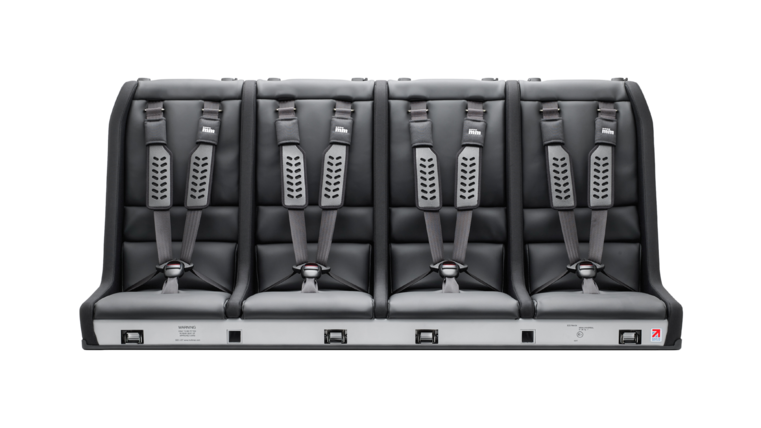
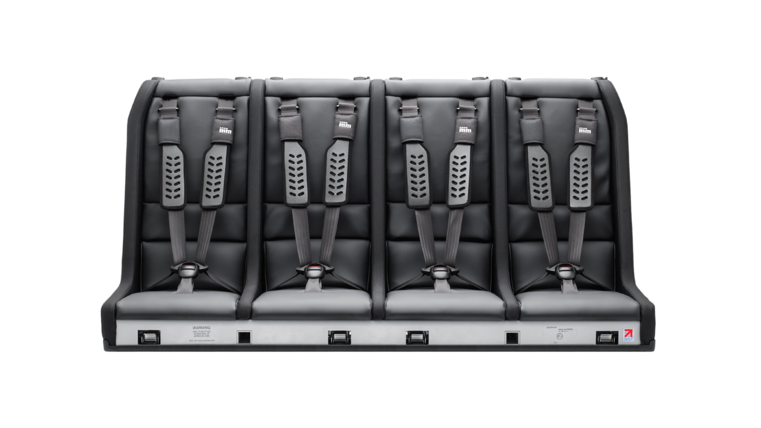
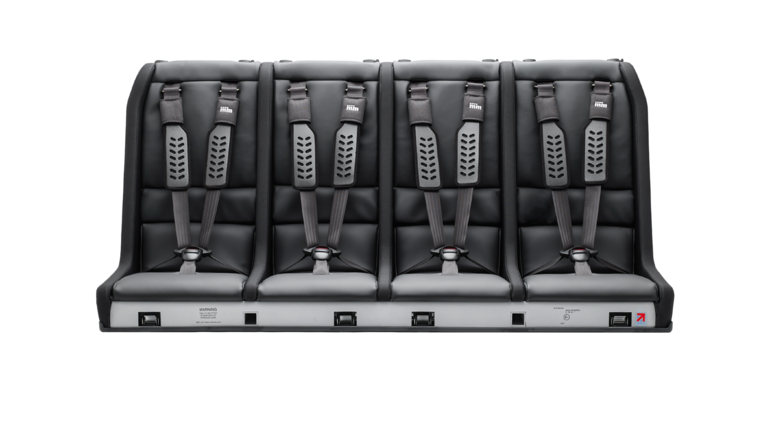
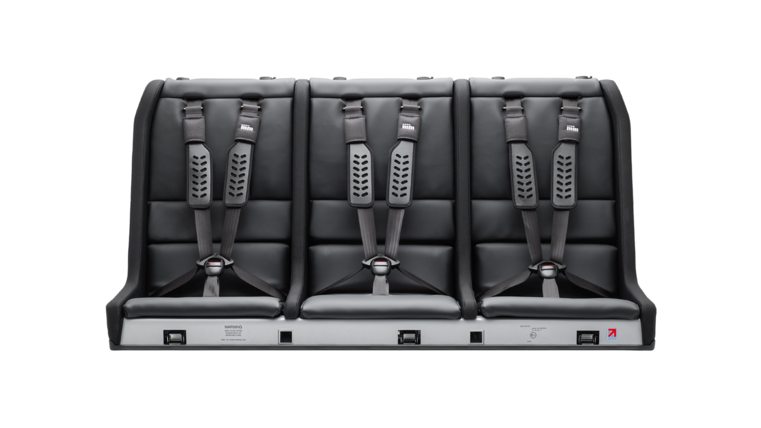
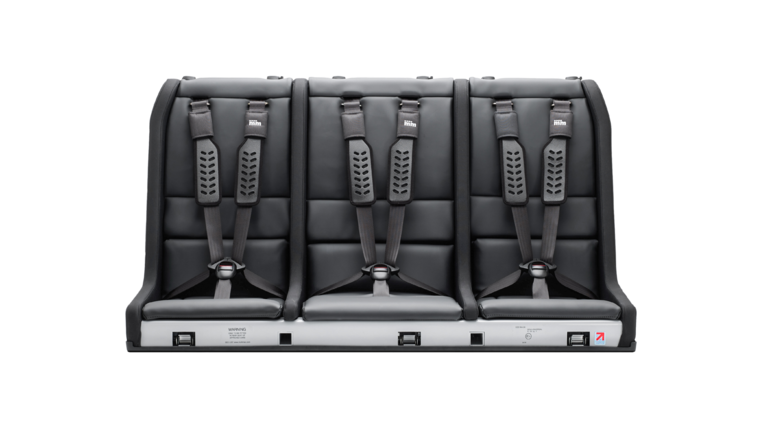
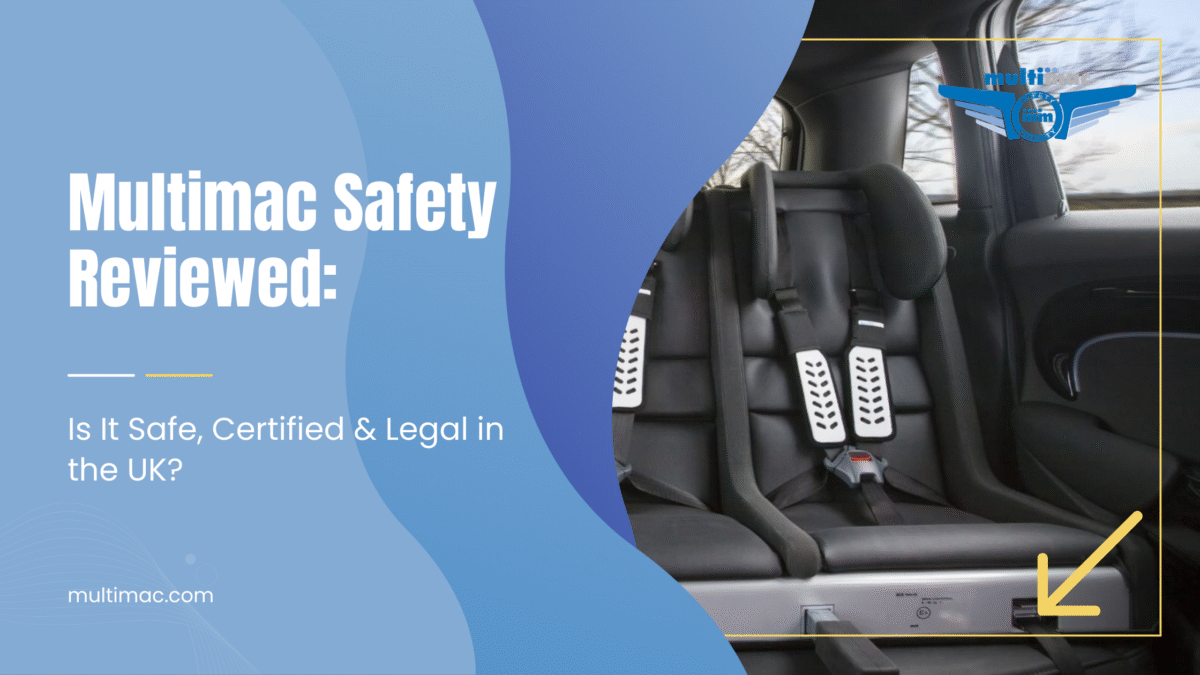
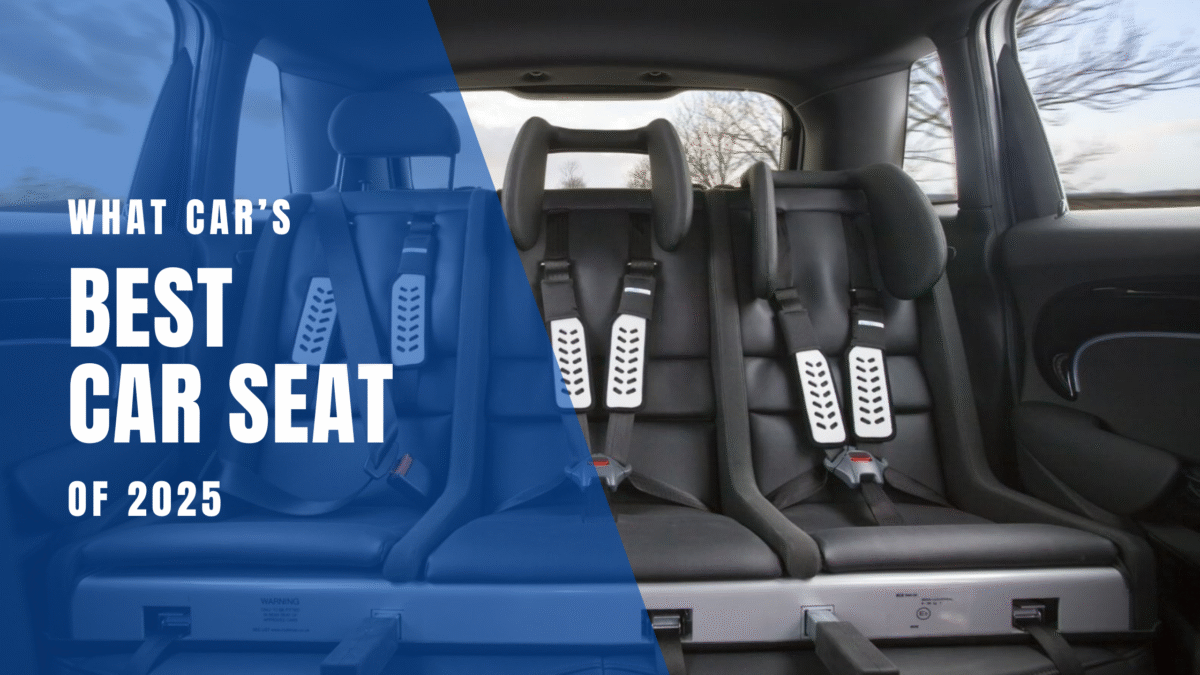
Every Multimac car seat system is fully R129-approved, meeting all the enhanced safety requirements this standard demands. This includes the mandatory side-impact testing, the advanced crash dummy protocols, and the extended rear-facing requirements for younger children.
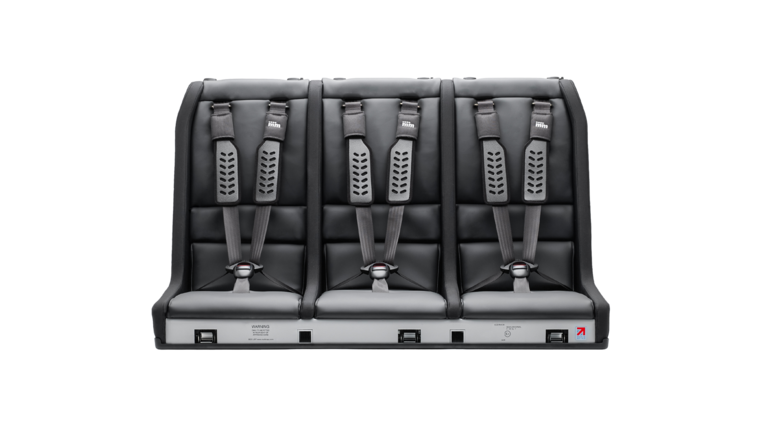
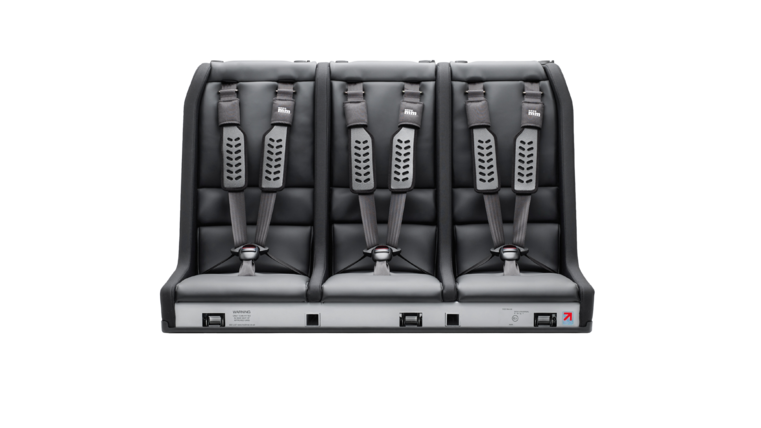
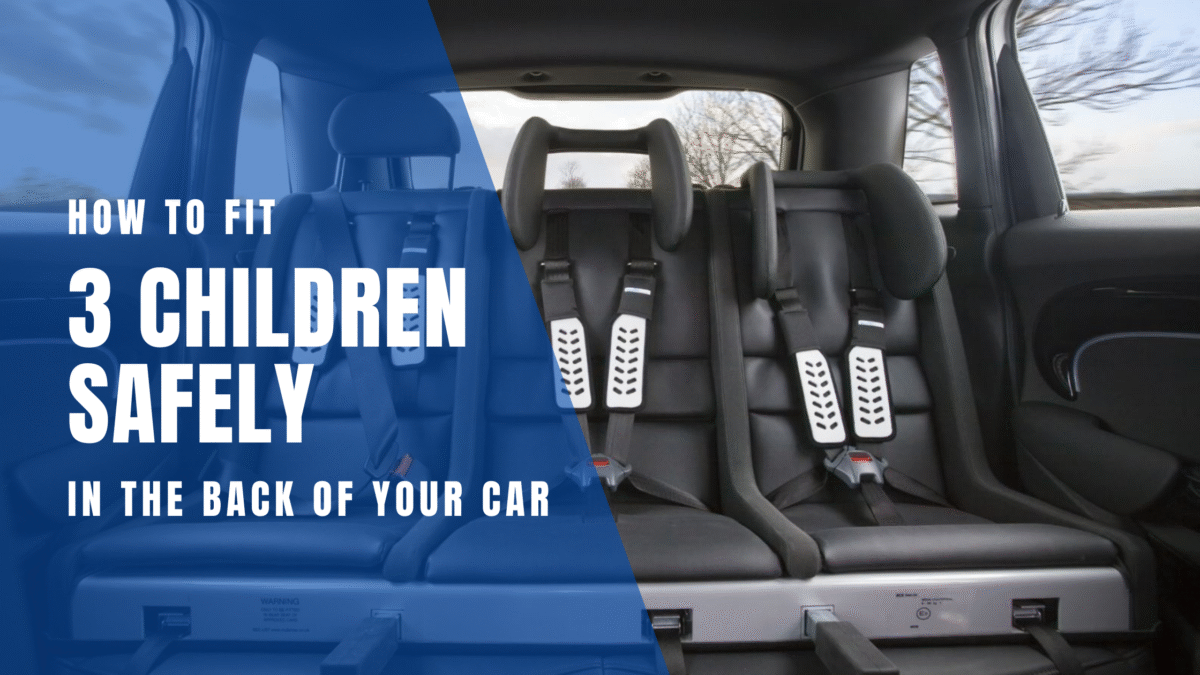
Multimac’s unique design undergoes the same rigorous testing as individual car seats, but with the added complexity of testing multiple seat positions within a single unit. The bench-style aluminium frame distributes crash forces efficiently whilst each individual seat position provides R129-compliant protection.
The system accommodates children from birth to 12+ years across its various models, with each berth position adjustable for different heights and stages. Newborns use the MiniMac insert within the seat, which allows rear-facing positioning until 15 months as required by R129, whilst older children benefit from the integrated booster configuration that meets the standard’s requirements for taller children up to 135cm.
Professional installation by certified Multimac fitters ensures the system meets all R129 performance requirements in your specific vehicle. The tether strap system provides the robust anchorage points necessary to meet crash test standards, whilst the bench configuration means you’re getting R129 protection for three or four children simultaneously rather than trying to fit multiple individual seats side by side.
Beyond the Regulations: What Safety Tests Don’t Show
Whilst R129 represents a huge step forward in car seat safety, it’s worth understanding that meeting the regulation is the minimum standard, not the maximum.
Independent testing organisations like ADAC (Germany’s automobile association), Stiftung Warentest, and Which? conduct their own tests that often exceed R129 requirements. They test at higher speeds, with heavier dummies, and assess factors like ease of use, ergonomics, and even harmful chemical content.
When researching car seats, look for models that not only meet R129 but have performed well in these independent tests. The additional testing provides confidence that the seat performs strongly even in scenarios more severe than the regulation requires.
For families using Multimac, the system’s 30-year track record and customer testimonials provide real-world validation beyond any laboratory test. Thousands of UK families have used Multimac systems through multiple children without incident, demonstrating the practical safety that regulations attempt to codify.
Common R129 Misconceptions
“R129 seats are only for new cars” Not true. Whilst i-Size seats require ISOFIX points (standard in cars built after 2011), many R129 seats can install using standard seatbelts, making them compatible with older vehicles.
“My child’s too tall for rear-facing at 15 months” Height, not age, determines rear-facing limits. Many children can remain rear-facing well beyond 15 months. Check your seat’s maximum rear-facing height limit.
“R129 seats are more expensive” Not necessarily. Whilst the enhanced testing adds to development costs, competition means R129 seats are available across all price points. The cheapest R129 seats cost similar amounts to R44 seats, whilst premium models offer extended features regardless of regulation.
“I need to replace my R44 seat immediately” No. Existing R44/04 seats remain legal and safe to use. Only replace a seat when your child outgrows it, it expires, or it’s been in a crash.
Making the Right Choice for Your Family
Understanding R129 regulations empowers you to make informed decisions about your children’s car seat safety. The regulation represents the most comprehensive safety standard ever applied to child car seats, incorporating decades of crash data and real-world experience.
When shopping for a car seat, prioritise:
- Current R129 approval (check the orange label)
- Appropriate height range for your child’s current size
- Correct installation method for your vehicle (ISOFIX or belt)
- Extended rear-facing capability if your child is under 4 years
- Performance in independent consumer tests where available
For families with multiple children, the unique challenge of fitting three or four R129-approved seats side by side often proves impossible in standard family cars. This is where Multimac’s R129-approved bench system provides a solution that individual seats cannot match, allowing you to keep your current vehicle whilst meeting the highest safety standards for all your children.
Ready to see how Multimac can work for your family?
Use our quote builder to find out which R129-approved Multimac model fits your vehicle and get an accurate price including professional installation. Our fitting compatibility checker shows certified installers in your area who ensure your system meets all R129 installation requirements for your specific car.
You can also explore our safety information page to understand exactly how Multimac meets and exceeds R129 standards whilst solving the multi-child car seat challenge that conventional seats cannot.