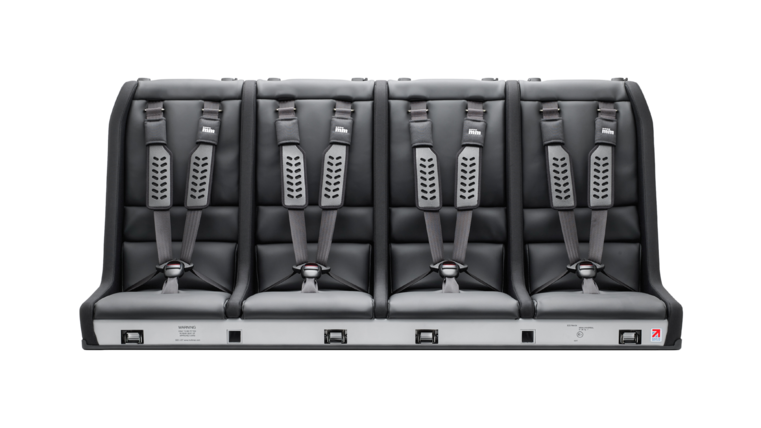
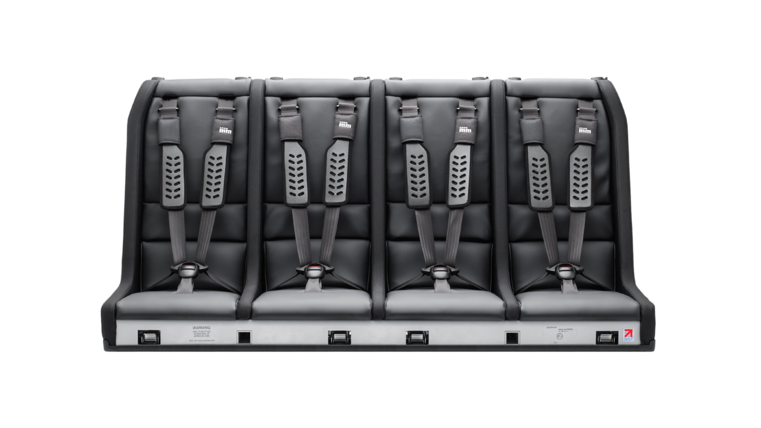
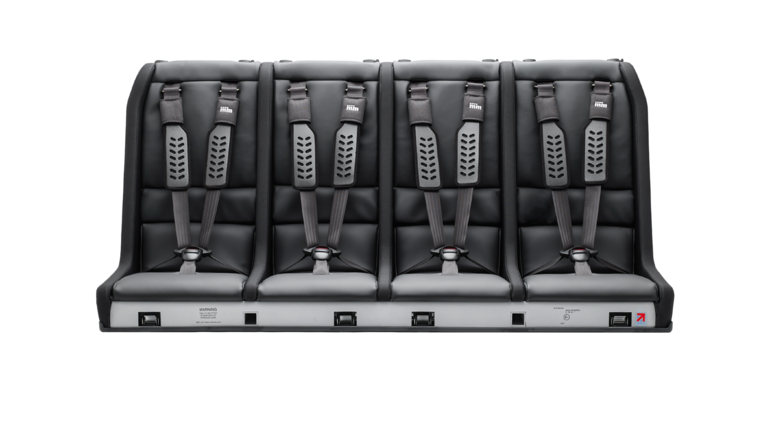
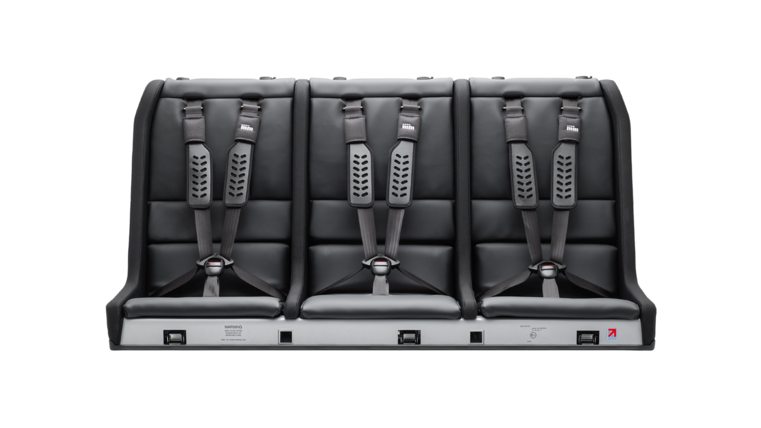
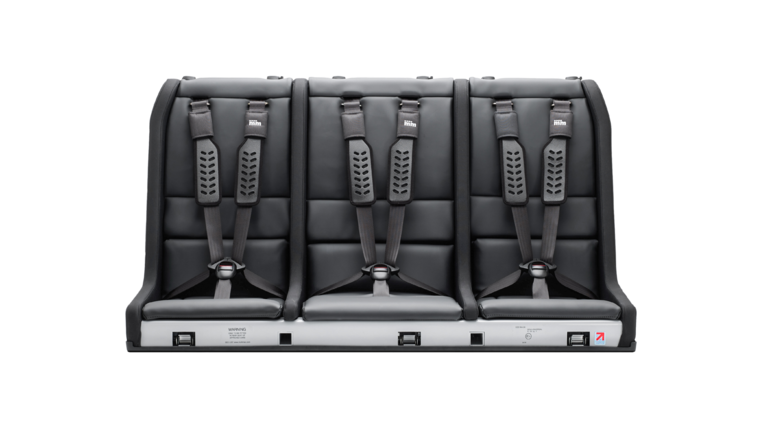
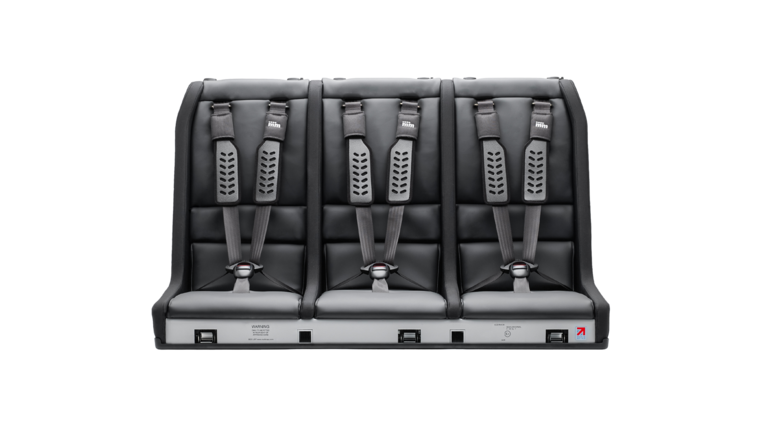
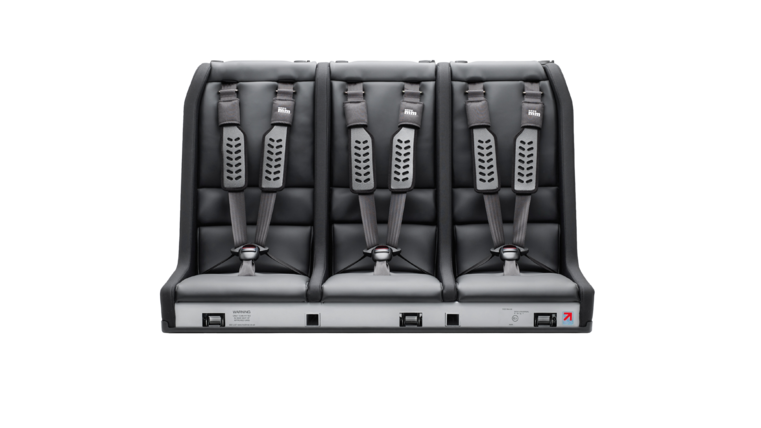
The moment you discover Multimac exists, it’s clear this is what you’ve been searching for. Finally, a solution that lets you keep your car whilst safely accommodating three or four children. Then you see the price. At £2,000-£3,000 for a new system including professional installation, it’s a significant investment for most families.
Naturally, you start looking at second-hand options. Facebook Marketplace, eBay, Gumtree, and local parent groups are full of pre-owned Multimacs at seemingly attractive prices.
But is buying a second-hand Multimac a sensible decision, or are you compromising on safety to save money?
This comprehensive guide answers that question honestly, covering everything from structural integrity to the hidden costs that many second-hand buyers don’t anticipate.
Why Multimac Is Different from Standard Car Seats
Before diving into the second-hand buying process, it’s crucial to understand why Multimac occupies a unique position in the car seat market.
The standard advice for buying any used car seat is simple and unequivocal: don’t. Every major safety organisation, from RAC to Which?, advises parents to buy car seats new. The reasoning is sound. Standard car seats are predominantly constructed from plastic, which degrades over time through UV exposure, temperature fluctuations, and general wear. This degradation isn’t always visible. A seat that looks perfectly fine might have microscopic stress fractures that would fail catastrophically in a collision.
Additionally, you can never be certain of a used seat’s history. Has it been in an accident? Even minor collisions can compromise structural integrity without leaving visible damage. Has it been stored properly? Leaving a car seat in a hot garage or damp shed for years affects the materials. Is it even still within its safe usage period? Most car seats have a 6-10 year lifespan from manufacture, and many second-hand seats sold online are already expired.
Multimac is fundamentally different.
The core structure is constructed from aluminium, not plastic. Aluminium doesn’t degrade over time in the same way plastic does. It doesn’t suffer from UV degradation or stress fractures from temperature cycles. The aluminium frame that supported children safely 15 years ago will support children just as safely today, provided it hasn’t been damaged.
This engineering decision wasn’t about creating a product suitable for the second-hand market. It was about creating a system robust enough to handle the stresses of multiple children over many years of daily use. The durability that makes Multimac suitable for second-hand purchase was a byproduct of engineering for longevity.
The Critical Safety Checks
If you’re considering a second-hand Multimac, certain checks are absolutely non-negotiable. Skip any of these, and you’re taking unacceptable risks with your children’s safety.
1. Verify the Frame Condition
The aluminium frame is the structural heart of the system. Examine it carefully for:
- Bends or deformations: The frame should be perfectly straight with no visible bowing, twisting, or warping
- Cracks: Remove all seat cushions and inspect all welded joints and connection points under good lighting
- Corrosion: Whilst aluminium is corrosion-resistant, damage to protective coatings can allow oxidisation
- Loose connections: All bolts and connection points should be tight with no play or movement
If you spot any of these issues, walk away immediately. A compromised frame cannot provide adequate protection in a collision, regardless of price.
2. Inspect the Harnesses Thoroughly
Unlike the aluminium frame, harnesses are wear items that will need replacement. However, you need to assess their current condition:
- Fraying: Check webbing for any frayed edges, particularly around buckles and adjustment points
- Stretching: Harness webbing shouldn’t feel loose or elastic
- Buckle function: Every buckle should click firmly and release cleanly without sticking
- Adjuster: check the single-point-adjuster is clean and ‘locks’ the adjuster strap completely
- Chest pads: These take tremendous abuse from children and usually show significant wear
Budget for new harnesses regardless of what the seller claims about their condition. Harnesses are safety-critical components, and you cannot verify how they’ve been used or maintained by the previous owner. Replacement harnesses cost approximately £30-£50 per seat position, so factor this into your budget when evaluating whether a second-hand purchase makes financial sense.
3. Check for Accident History
This is the hardest verification to make, which is why purchasing from strangers is so risky.
If the seller is a close friend or family member whose history you know completely, you can have confidence in their account. If you’re buying from someone you don’t know, you’re relying entirely on their honesty.
Unlike plastic car seats where accident damage often manifests as cracks or deformation, aluminium frame damage might be less visible. However, any Multimac that’s been in a collision should show signs:
- Check all connection points for stress marks or paint cracks
- Look for any areas where the frame appears to have been re-straightened
- Examine the seller’s story carefully for consistency
If you have any doubt whatsoever about accident history, don’t purchase.
4. Verify the Age and Model
Multimac has been manufacturing multi-child car seats since 2008, with various models and updates over 18 years. You need to know exactly which model you’re buying and when it was manufactured.
The serial number (under the left hand seat cushion) will tell you:
- Manufacturing date
- Model type
- Original specification
Contact Multimac directly with the serial number. They can confirm the model and manufacturing date. This verification is free and takes only a few minutes via email or phone.
5. Understand the Fitting Kit Requirement
Here’s where many second-hand buyers get caught out with unexpected costs.
You cannot use the previous owner’s fitting kit. This is absolutely critical to understand.
Fitting kits are vehicle-specific. The tether straps, mounting brackets, bolts, washers, and spreader plates are all precisely engineered for specific car models. Even if you happen to own the same make and model of car as the previous owner, Multimac requires a new fitting kit for every installation as a safety precaution.
Fitting kits start from approximately £49 and can be more expensive depending on your vehicle. You must order this directly from Multimac, providing your car’s make, model, and year. This cost is non-negotiable and should be factored into your total second-hand purchase budget.
6. Budget for Professional Installation
Whilst some experienced parents might feel confident installing a standard car seat themselves, Multimac installation is different. The system requires professional installation by a certified fitter to ensure:
- Tether straps are correctly routed to structural anchor points
- Proper tension is achieved across all connection points
- The system is positioned correctly for your children’s heights
- All safety requirements are met for R129 or ECE44-04 compliance
Professional installation costs vary by location but typically range from £150-£250. This isn’t optional. The Multimac fitting network consists of certified installers who understand the specific requirements of each vehicle type.
Add this cost to your budget calculation when comparing second-hand versus new pricing.
What Needs Replacing on a Second-Hand Multimac?
Even if you find a second-hand Multimac in excellent structural condition, certain components will likely need replacement. Budget for:
Harnesses (£30-£50 per position)
Replace these regardless of appearance. After years of use, harness webbing experiences wear that isn’t always visible. For a 3-seater, budget £90-£150 for new harnesses across all positions.
Chest Pads (£29 per child)
These soft foam pads absorb tremendous abuse from sticky fingers, food spills, and general wear. They’re inexpensive to replace and significantly improve comfort.
Seat Covers (£50-£150 depending on material)
Fabric covers can usually be cleaned, but after several children, replacement makes sense. If the previous owner chose leather upholstery and you need replacements, Multimac will need to source matching leather, which takes time and potentially costs more.
The True Cost Calculation
Let’s compare a realistic second-hand purchase versus buying new:
Second-Hand Multimac Purchase
- Second-hand Multimac 3-seater: £1,200 (average marketplace price)
- New fitting kit: £49-£99
- Professional installation: £150-250
- Replacement harnesses (3 positions): £90-£150
- Replacement chest pads: £30-£60
- Possible seat cover replacement: £50-£150
- Total: £1,519-£1,909
New Multimac Purchase
- New Multimac 3-seater: £2,200
- Fitting kit included: £0
- Professional installation: Included in many purchase packages or £150-250
- All components new with 24-month warranty: £0
- Total: £2,200-£2,450
The second-hand saving is approximately £550-£850 depending on condition and what needs replacing.
That’s meaningful money for many families, but it’s worth understanding exactly what you’re getting for that saving.
What You Lose with Second-Hand
24-Month Warranty: New Multimacs come with a comprehensive 24-month warranty covering manufacturing defects and component failures. Second-hand purchases have no warranty. If something fails, you’re paying for replacement parts out of pocket.
Peace of Mind: You know the complete history. You know it’s never been in an accident. You know every component is within its service life. You know it meets current R129 standards as manufactured rather than the old ECE-44-04 of pre-2024 seats.
Latest Updates: Multimac periodically updates components based on real-world feedback and testing. New purchases include the latest specifications. Second-hand units might have older harness designs or seat configurations.
When Second-Hand Makes Sense
Despite the considerations above, buying a second-hand Multimac can be the right decision for certain families:
You’re Buying from Someone You Trust Completely
A close friend or family member whose car seat history you know with certainty. You’ve seen how they maintain their belongings. You trust their account of the unit’s history. In this scenario, the risk factors drop significantly.
The Unit Is Relatively Recent
A Multimac that’s 2-3 years old rather than 10-15 years old. Recent units are more likely to have current-specification components and less accumulated wear.
You Can Verify Everything
You’re prepared to do the proper inspections, contact Multimac for serial number verification, budget for all necessary replacements, and arrange professional installation. You’re not cutting corners to save money.
The Numbers Actually Work
After adding fitting kit, installation, and replacement parts, you’re still saving a meaningful amount. However, if the total cost approaches new pricing, buying new makes more sense for the warranty and peace of mind.
You View It as Environmental Choice
Some families choose second-hand primarily for sustainability reasons. The aluminium frame’s longevity means a single Multimac can serve multiple families over decades. If this motivates you and you’re doing everything else correctly, it’s a legitimate consideration.
Don’t forget Multimac has a buy back scheme!
When You Should Buy New
Buying new makes more sense if:
You’re Risk-Averse About Safety Equipment
If the thought of unknown history keeps you awake at night, the extra £500-£900 for a new unit is worth it. Your children’s car seats shouldn’t cause anxiety.
This Is Your First Multimac
Without experience of what a properly functioning Multimac should feel like, you’ll struggle to assess second-hand condition accurately. Starting with a new unit gives you the reference point.
You Value Warranty Protection
The 24-month warranty provides significant peace of mind. If something fails, you’re covered. With second-hand purchases, you’re self-insuring against component failure.
The Price Difference Is Small
If you’re looking at a second-hand unit at £1,600 versus new at £2,200, the £600 difference might not justify the compromises and unknowns of second-hand purchase.
You Plan to Use It for Many Years
If you have young children and expect to use the Multimac for 8-12 years, buying new maximises your usage period and ensures you’re starting with completely fresh components.
The Refurbishment Alternative: Pre-Loved Programme
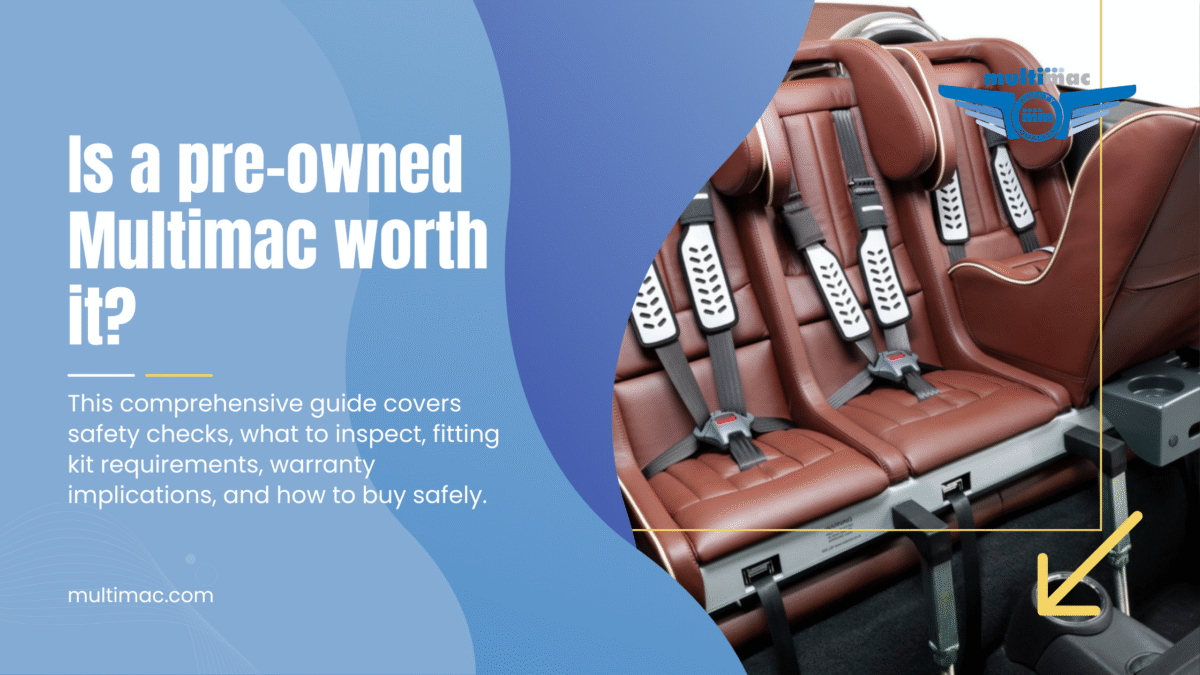
Multimac operates a refurbishment programme where they buy back used units, completely strip them down, inspect the chassis thoroughly, and rebuild them with new harnesses and trim to current R129 safety standards. These refurbished units are then sold “as-new” with the standard 24-month warranty.
Whilst this programme isn’t always available (it depends on their current stock), it represents the middle ground between fully second-hand and brand new:
- Lower price than new
- Full warranty coverage
- Professional inspection and refurbishment
- Current-specification components
- Known history (Multimac verifies condition before refurbishment)
If considering second-hand, check whether Multimac has any refurbished units available.
These provide most of the financial benefits without the risk factors of private second-hand purchases.
It’s hard to put a cost on peace of mind but knowing your child is completely safe in a professionally refurbished multimac is priceless
How to Buy Second-Hand Safely
If you’ve decided second-hand is right for your situation, follow this process:
1. Find the Unit
Look in parent groups, classified ads, or marketplace sites. Be immediately wary of:
- Prices that seem too good to be true (significantly below market rate)
- Sellers unwilling to provide serial numbers or detailed photos
- Listings with minimal information
- Sellers who can’t answer basic questions about the unit’s history
2. Request Detailed Information
Before viewing, ask the seller:
- Serial number (verify with Multimac)
- Purchase date and proof of purchase, if available
- Complete usage history
- Accident history (ask directly)
- Reason for selling
- What’s included (Headrests, Minimac, low profile cushions)
- Clear photos of the frame, harnesses, labels, and any wear
3. Inspect in Person
Never buy a Multimac sight unseen. Arrange to inspect it thoroughly:
- Bring good lighting (a torch helps)
- Bring this guide and check each point systematically
- Don’t feel pressured to decide immediately
- If anything seems wrong, thank them and leave
4. Verify with Multimac
Contact Multimac with the serial number and ask:
- Manufacturing date
- Model specification
- Cost of fitting kit for your vehicle
- Cost of any replacement parts you’ve identified
5. Calculate Total Cost
Add up:
- Purchase price
- Fitting kit
- Professional installation
- Replacement components
Compare this realistically against new pricing. Are you actually saving meaningful money after all costs?
6. Arrange Professional Installation
Once purchased, order your vehicle-specific fitting kit from Multimac and arrange installation with a certified fitter.
Whilst you may feel confident fitting the unit, with safety in mind we would always recommend a professional installation.
Making Your Decision
There’s no universal answer to whether buying a second-hand Multimac is worth it. For some families, a well-maintained unit purchased from a trusted source represents excellent value. For others, the peace of mind of buying new justifies the additional cost.
What’s crucial is making an informed decision based on complete information rather than focusing solely on the initial purchase price. The families who regret second-hand purchases are typically those who didn’t budget for fitting kits, installation, and replacement parts. The apparent £800 saving turned into a £200 saving, and they wished they’d just bought new.
The families who are delighted with second-hand purchases typically bought from trusted sources, did thorough inspections, budgeted realistically for all costs, and accepted that they were trading warranty coverage for lower overall expenditure.
Ready to explore your options?
Whether you choose new or second-hand, you’ll need a vehicle-specific fitting kit and professional installation. Use the Multimac quote builder to see which models fit your car and get accurate pricing for new units, including installation. Contact Multimac directly to enquire about refurbished units through their Pre-Loved programme. And if you’re considering second-hand, contact them with serial numbers to verify age, model, and recommended service life before committing to purchase.
The right choice depends on your specific circumstances, but it should always be an informed choice based on complete cost understanding and thorough safety verification.