You have three or four children. Your current car feels too small. The obvious solution seems to be buying a 7-seater MPV or SUV.
But before you commit to a vehicle that costs £25,000-£70,000, comes with higher insurance and fuel costs, loses boot space when you actually use those rear seats, and puts your children in the most dangerous part of the vehicle during a rear collision, consider this: what if you didn’t need a bigger car at all?
This guide examines the real alternatives to buying a 7-seater, reveals the hidden costs and compromises that dealerships don’t mention, and shows you why thousands of UK families have chosen different solutions that cost less and work better.
Why Families Default to 7-Seaters (And Why It Often Backfires)
The logic seems sound. You need to transport more children. Seven-seaters have more seats. Problem solved.
Except it’s not that simple. Most families who buy 7-seaters discover significant problems within the first few months:
The boot space disappears: When you actually use the third row, boot capacity drops by 60-80%. A Kia Sorento offers 898 litres with five seats, but only 179 litres with all seven in use. That’s barely enough for a weekly shop, let alone holiday luggage or sports equipment for multiple children.
The rear seats are genuinely dangerous: The third row sits in the crumple zone. During a rear-end collision at motorway speeds, those seats experience the highest impact forces. If you’ve ever taken a black cab with jump seats in the back, professional drivers will tell you never to sit there for exactly this reason.
Access becomes a daily frustration: Getting a child out of the rear row requires other passengers to move first. School runs, emergency toilet stops, helping a car-sick child all become complicated operations requiring coordination and patience that tired parents rarely have.
Parking and manoeuvring gets harder: Seven-seaters are physically larger. Supermarket car parks, school drop-off zones, narrow village streets, and your own driveway all become more challenging to navigate.
The costs keep mounting: Purchase price, insurance premiums, fuel consumption, road tax, depreciation, maintenance costs all increase significantly compared to standard family cars.
Yet despite these drawbacks, approximately 180,000 seven-seater vehicles were sold in the UK in 2024. Many of those buyers are families who felt they had no alternative.
The True Cost of a 7-Seater vs Keeping Your Current Car
Let’s calculate what buying a 7-seater actually costs UK families over five years compared to alternatives.
Popular 7-Seater Purchase Costs (2026 UK Market)
Budget options:
- Dacia Jogger: £19,995 (basic 7-seater)
- Citroën Berlingo XL: £27,500 (van-based MPV)
Mid-range options:
- Peugeot 5008: £34,500 (stylish French MPV)
- Kia Sorento: £42,995 (Korean SUV reliability)
- Skoda Kodiaq: £38,000 (VW Group engineering)
Premium options:
- Land Rover Discovery: £59,000 (British prestige)
- Volvo XC90: £62,500 (Swedish safety reputation)
- BMW X7: £82,000 (German luxury)
Even the “budget” option costs nearly £20,000. Premium 7-seaters exceed £80,000.
Five-Year Total Cost Comparison
Let’s compare a mid-range 7-seater (Kia Sorento at £42,995) against keeping your current family car with an alternative solution.
7-Seater Total Costs (5 years):
- Purchase price: £42,995
- Depreciation (40% over 5 years): £17,198 lost value
- Insurance increase (£300/year over standard car): £1,500
- Fuel (1,500 miles/month, 35 mpg, £1.45/litre): £14,250
- Road tax (£180/year): £900
- Servicing and maintenance: £2,500
- Total 5-year cost: £79,343
Keep Current Car + Alternative Solution:
- Current car already owned: £0
- Insurance stays same: £0
- Fuel (1,500 miles/month, 45 mpg, £1.45/litre): £10,950
- Road tax (£150/year): £750
- Servicing and maintenance: £1,800
- Alternative solution (Multimac): £2,300
- Total 5-year cost: £15,800
Five-year saving: £63,543
That’s not a typo. Over five years, avoiding the 7-seater purchase saves UK families approximately £63,500 in this scenario. Even with a budget 7-seater like the Dacia Jogger, the saving exceeds £40,000.
The purchase price is just the beginning. Insurance, fuel, depreciation, and maintenance compound over time into genuinely substantial costs.
Alternative 1: Keep Your Car and Use a Multi-Child Car Seat System
This is the solution that most families overlook completely because they don’t know it exists.
How Multi-Child Car Seat Systems Work
Rather than buying a bigger car to fit more children, you install a system designed specifically to accommodate multiple children in your existing vehicle’s rear seat.
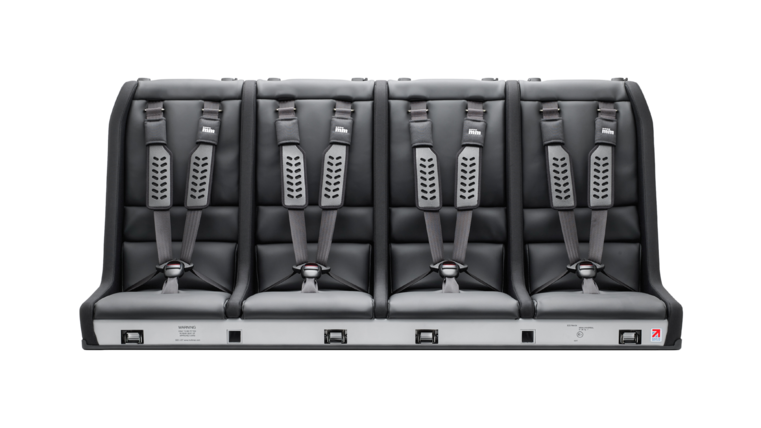
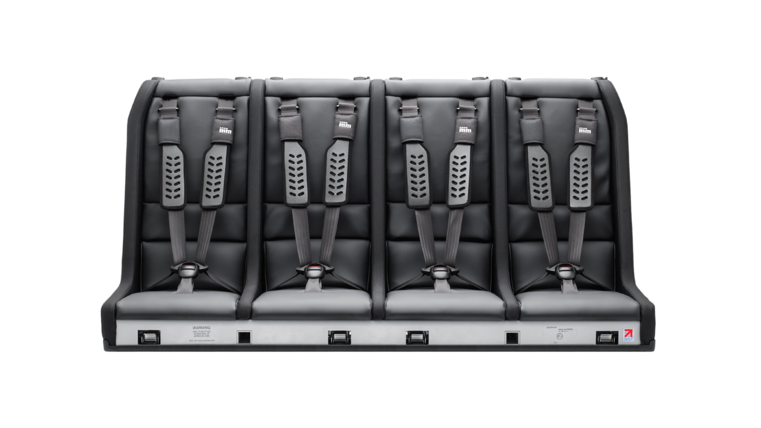
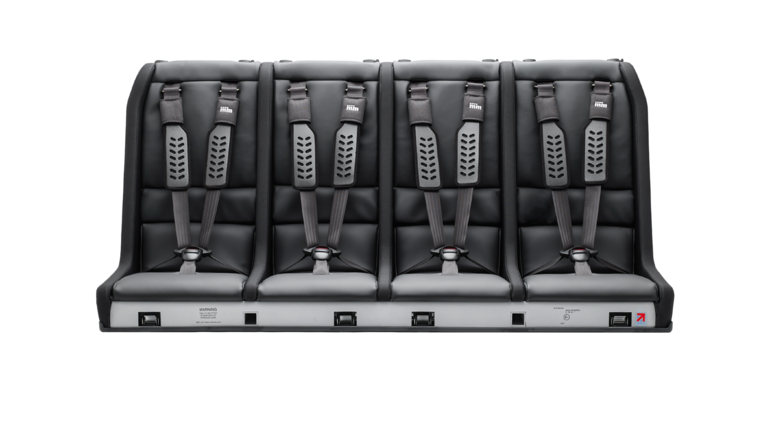
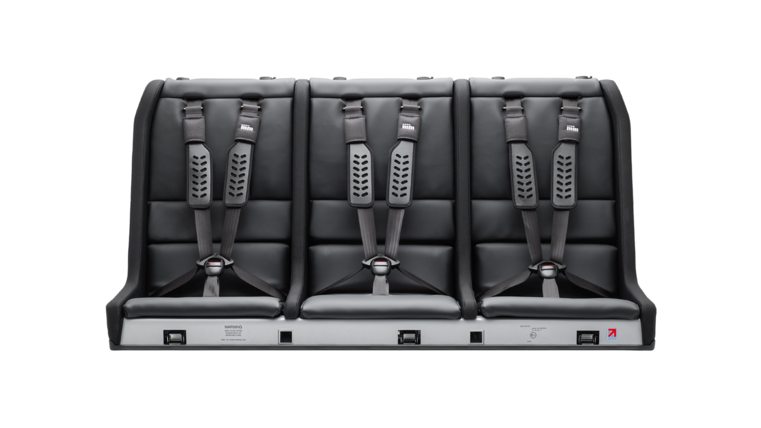
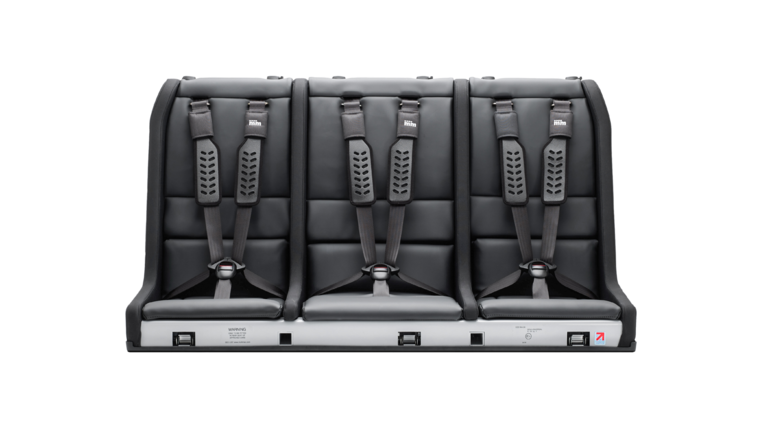
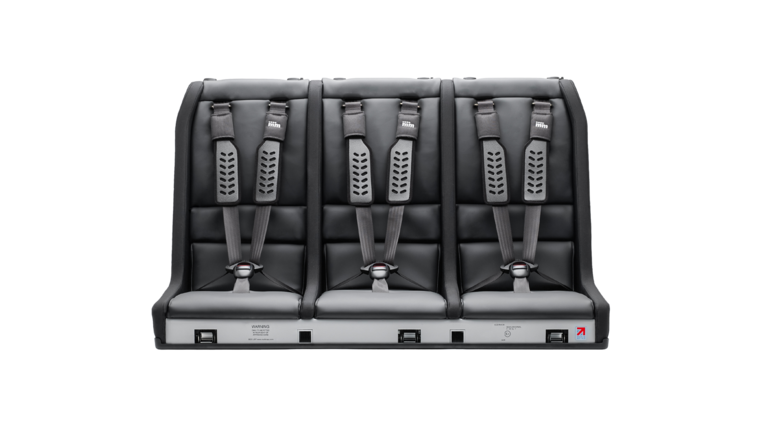
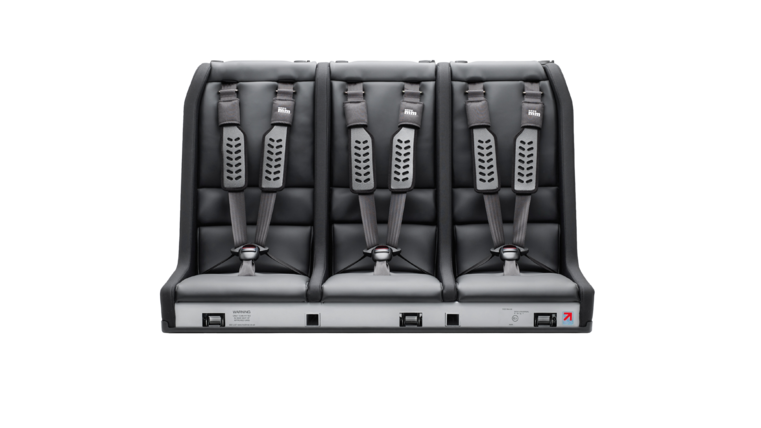
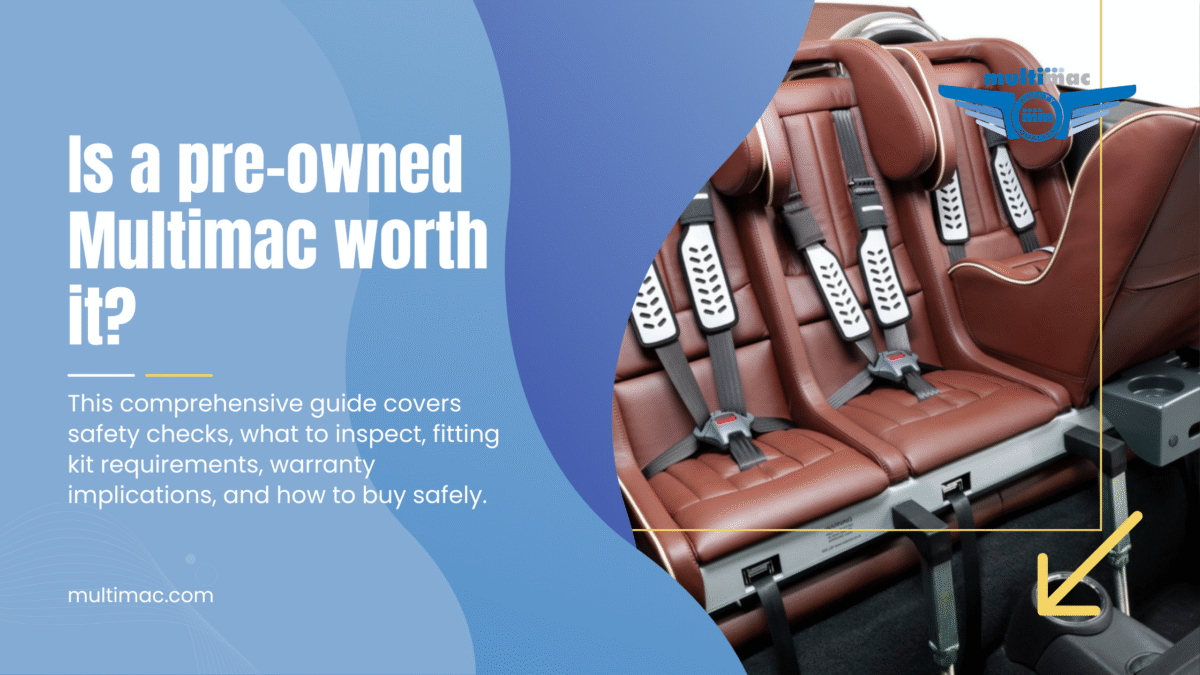
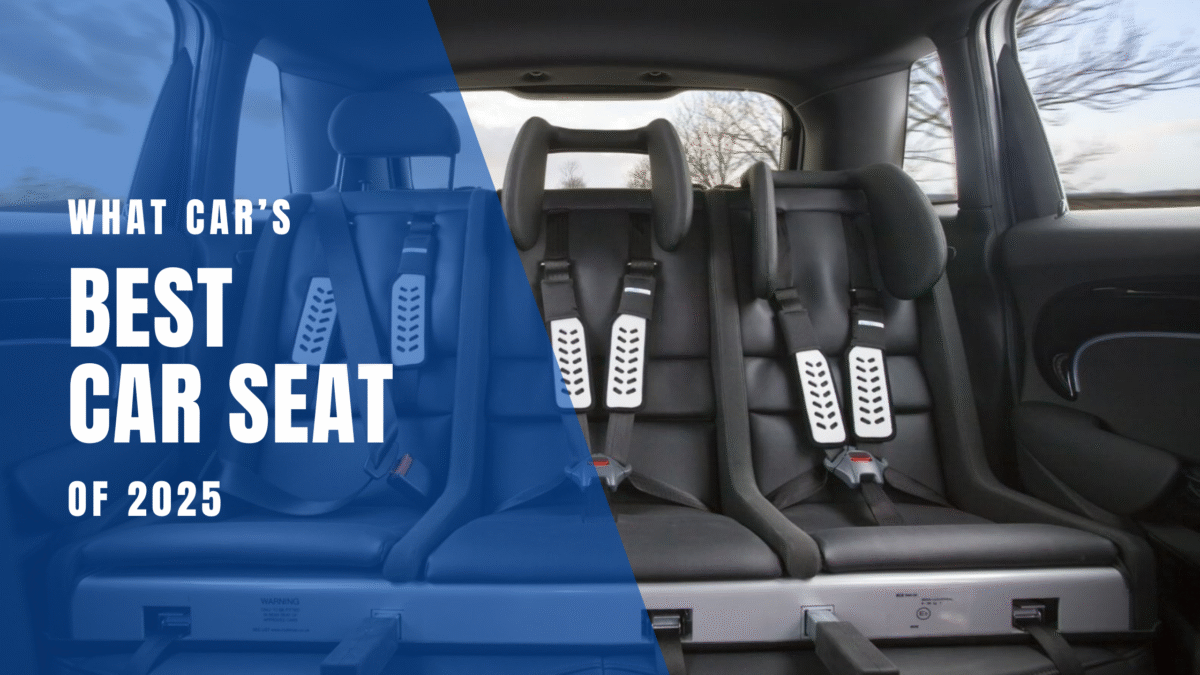
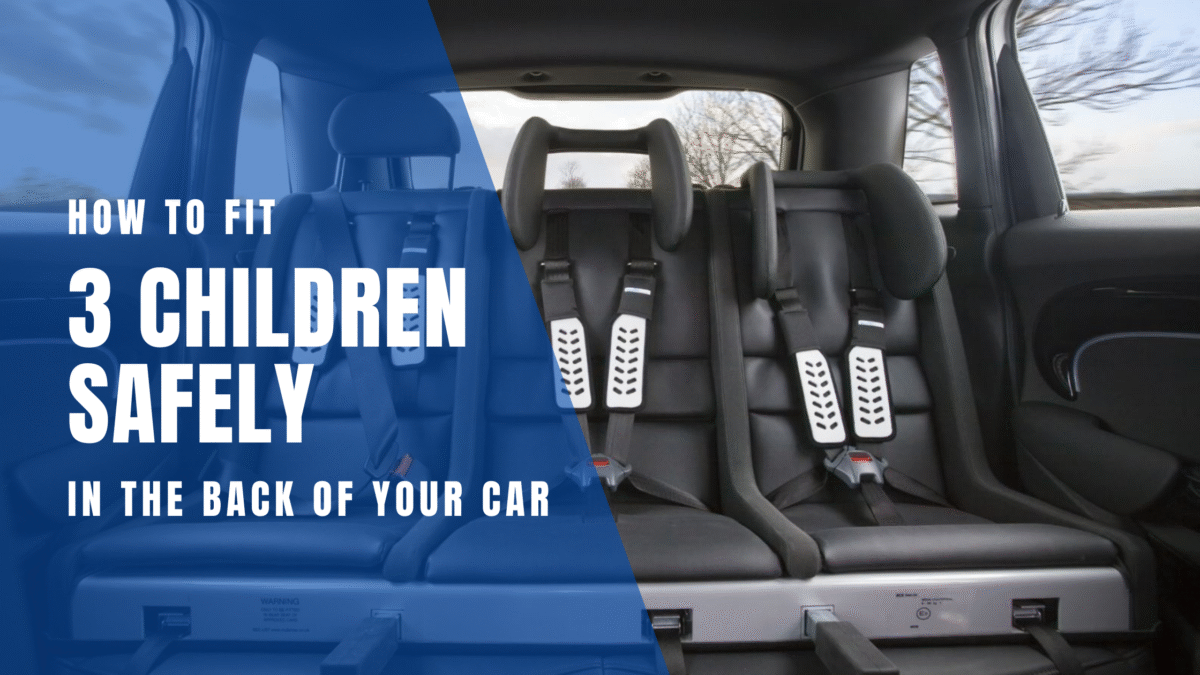
Multimac pioneered this approach. The system uses an aluminium frame that spans the entire rear seat, with integrated car seats for 3 or 4 children aged 0-12 years. It anchors directly to structural points in your vehicle using vehicle-specific tether straps, completely bypassing ISOFIX limitations.
The Practical Advantages
Your boot stays intact: Unlike 7-seaters where using the third row eliminates boot space, Multimac sits entirely within the standard rear seat area. Your boot capacity remains exactly as it was designed to be.
Children sit away from the crumple zone: Instead of putting children in the most dangerous rear seats of a 7-seater, all children remain in the main cabin, positioned safely away from rear impact zones.
Your car retains its normal handling: You’re still driving your familiar vehicle. Parking, manoeuvring, fuel efficiency, and driving dynamics remain unchanged.
The system removes in minutes: When you don’t need all positions, Multimac can be removed in approximately five minutes. Your car returns to standard configuration for couples’ nights out or adult passenger needs.
Installation is permanent until you change vehicles: Once professionally installed for your specific vehicle, the system stays secure until you sell the car or need to transfer it to a different vehicle.
The Financial Reality
A Multimac system costs approximately £2,200-£2,500 including professional installation. That’s a one-time cost that provides 12+ years of service as your children grow.
Compare this to:
- Buying even a budget 7-seater: £20,000+ purchase price
- Second car approach: £8,000+ initial cost plus ongoing doubled expenses
- Repeated individual car seat purchases: £600-£1,200 per child over 12 years
The multi-child seat system approach saves tens of thousands of pounds whilst actually improving safety and practicality.
Real-World Examples
Claire O’Brien uses Multimac in her Volkswagen Cayman, avoiding the need for a larger vehicle whilst safely transporting four children aged 2-10.
The Kotera family kept their Audi Q7 rather than upgrading to an even larger vehicle, fitting all four children comfortably in a 4-seater Multimac system.
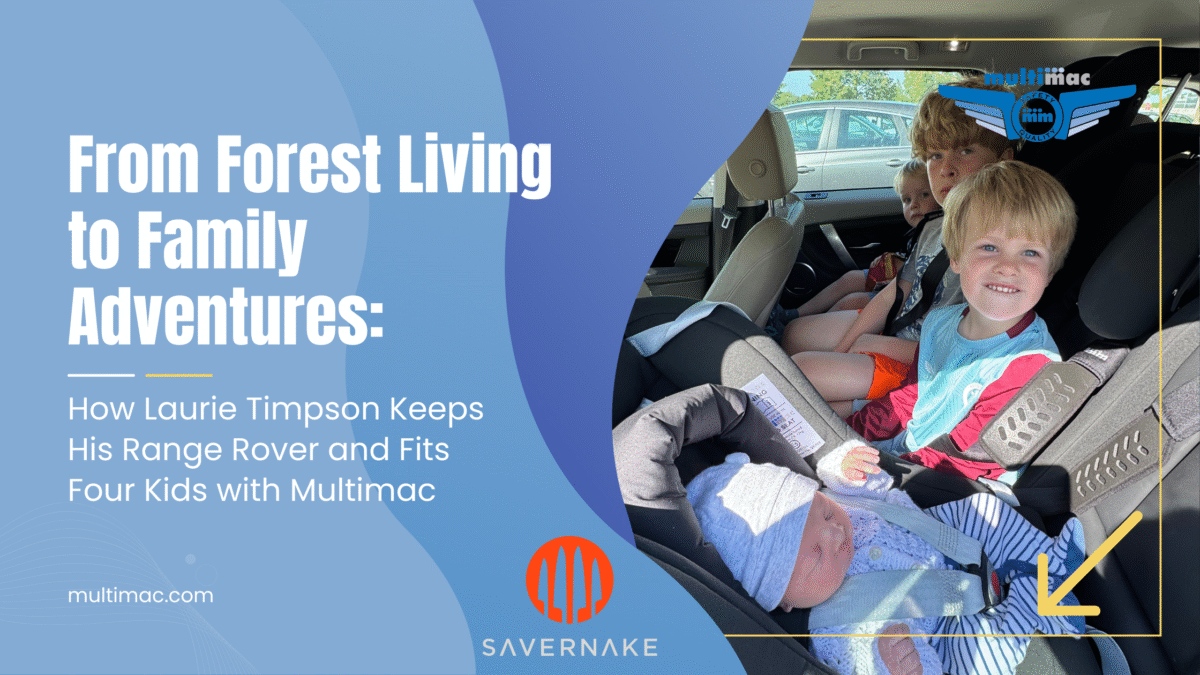
Laurie Timpson of Savernake Knives maintains his Range Rover for both family transport and business use, with Multimac enabling him to fit four children whilst retaining vehicle functionality and boot space for his work.
These aren’t theoretical scenarios. These are real UK families who chose the multi-child seat approach over buying 7-seaters and saved substantial money whilst improving their practical day-to-day experience.
The Limitations to Consider
Multi-child car seat systems don’t work for everyone. You need:
- A vehicle with a rear seat wide enough for 3 or 4 children (most standard cars qualify, but some very compact vehicles don’t)
- Children who all require car seats (once children exceed 135cm or turn 12, they no longer need restraints)
- Willingness to invest in professional installation
If your needs involve frequently transporting additional adult passengers, or if children won’t all fit in car seats simultaneously, this approach may not suit your situation.
Which Vehicles Work Best
Multimac fits in hundreds of vehicle models. The system works particularly well in:
Executive saloons: BMW 3 Series, Mercedes C-Class, Audi A4 all accommodate 3-child systems comfortably.
Standard SUVs: Audi Q5, BMW X3, Volvo XC60 handle both 3-child and 4-child configurations.
Estate cars: Volkswagen Passat Estate, Skoda Superb Estate, Volvo V90 offer excellent compatibility.
Existing 4x4s: Land Rover Discovery, Range Rover, Toyota Land Cruiser accommodate 4-child systems whilst retaining significant boot space.
The fitting compatibility checker on Multimac’s website allows you to verify whether your specific vehicle model works with the system before making any commitment.
Alternative 2: Strategic Individual Seat Selection
If a multi-child system doesn’t suit your needs, careful selection of individual car seats can sometimes achieve 3-across fitting in standard vehicles.
The Narrow Seat Strategy
Several manufacturers produce car seats specifically designed for 3-across installations:
Clek Fllo: External width approximately 17 inches, designed specifically for tight rear seats. Costs around £400 per seat.
Diono Radian 3RXT: Tapered design measuring approximately 17 inches wide. Costs around £280 per seat.
Graco Slimfit: Budget option at approximately 16.9 inches wide. Costs around £170 per seat.
Why This Approach Often Fails
Whilst these seats are marketed as solutions for 3-across fitting, real-world results prove frustrating:
Vehicle compatibility remains limited: Even with narrow seats, many popular UK cars simply don’t have 51+ inches of rear seat width. The BMW 3 Series G20 measures approximately 51 inches, which sounds adequate but leaves virtually no tolerance for buckles, armrests, or seat belt receivers.
Accessing buckles becomes impossible: Even when seats physically fit, the gaps between them often prevent parents from actually reaching buckles or checking harness tightness. Safety suffers when installation cannot be verified properly.
Mixed age ranges don’t work: If you have a newborn, toddler, and six-year-old, you need an infant seat, forward-facing seat, and booster. These different seat types have different widths and shapes that rarely align efficiently.
The costs compound quickly: Three Clek Fllo seats cost £1,200. As children grow and seat requirements change, you’re replacing £1,200 worth of seats multiple times over 12 years. Total costs approach £2,000-£3,000, matching or exceeding multi-child system costs without the convenience.
When Individual Seats Work
This approach succeeds in specific scenarios:
- Your children are all similar ages and sizes, requiring identical seat types
- Your vehicle has genuinely wide rear seats (53+ inches)
- You’re comfortable with very tight quarters and difficult buckle access
- You have short-term needs (1-2 years maximum) before children age out
For most families with age ranges spanning several years, the individual narrow seat strategy creates more problems than it solves.
Alternative 3: The Second Car Approach
Some families consider buying a second, cheaper vehicle specifically for child transport rather than upgrading their primary car.
The Initial Appeal
The logic seems reasonable:
- Buy a £6,000-£10,000 second-hand people carrier
- Use it only for school runs and family outings
- Keep your preferred car for work and adult activities
- Split costs rather than replacing your main vehicle
The Hidden Costs That Accumulate
Second car ownership doubles almost every motoring expense:
Insurance: Even for a cheap second car, comprehensive insurance costs £600-£1,200 annually. Over 10 years, that’s £6,000-£12,000.
Road tax: Older people carriers often have higher emissions. Budget £200-£300 annually (£2,000-£3,000 over 10 years).
MOT and servicing: Annual MOT plus routine servicing costs approximately £300-£500 per year (£3,000-£5,000 over 10 years).
Unexpected repairs: Older vehicles require repairs. Budget minimum £500 annually for unexpected issues (£5,000 over 10 years).
Parking and storage: If you don’t have driveway space for two cars, parking costs add up. Even £50/month becomes £6,000 over 10 years.
Depreciation: Even cheap cars depreciate. A £8,000 vehicle losing 30% over 5 years costs £2,400 in lost value.
Total 10-year cost: £24,400-£34,400 (excluding fuel, which you’d pay anyway)
For that cost, you could buy a premium multi-child car seat system, professional installation, and have £20,000+ remaining for holidays, education, or savings.
The Practical Downsides
Beyond financial costs, second car ownership creates daily friction:
Families travel separately: One of the joys of family trips is travelling together. Second cars force families to split up, with arguments over who rides with whom and missed shared experiences.
Coordination becomes complicated: School runs require deciding which car to use. Weekend outings need planning around which parent takes which vehicle. Simple journeys become logistical puzzles.
Maintenance doubles: Two cars mean two MOTs, two service schedules, two sets of tyres, two lots of consumables.
Insurance hassles increase: Two policies, two renewals, two sets of paperwork and admin.
When Second Cars Actually Work
This approach suits families in very specific circumstances:
- You genuinely need a second vehicle for other reasons (work van, classic car hobby)
- Parents work opposite schedules requiring independent transport anyway
- You have a free or very cheap vehicle available (family gift, company car)
- Children will age out of car seats within 2-3 years
For the majority of families, the second car approach costs more and creates more hassle than alternatives whilst providing no particular advantage.
Alternative 4: Borrowing or Renting for Occasional Needs
Some families discover they don’t actually need constant access to larger vehicles. They need occasional capacity for specific trips.
When This Works
If your genuine requirement is:
- Monthly visits to grandparents 100 miles away
- Quarterly weekend trips with multiple children
- Twice-yearly holidays requiring luggage space
Then borrowing a 7-seater from family or hiring one for specific trips might cost less than ownership.
The Calculations
Rental costs: A 7-seater hire typically costs £70-£150 per day depending on vehicle and season. For occasional use (10 days annually), that’s £700-£1,500 per year.
Five-year rental total: £3,500-£7,500 for occasional access when you genuinely need it.
Compare this to purchasing a 7-seater that depreciates £12,000-£20,000 over the same period whilst sitting unused most days.
The Limitations
This only works if:
- Your family genuinely needs 7-seat capacity infrequently (less than monthly)
- You have reliable access to borrowed vehicles or rental outlets
- You’re comfortable with the inconvenience of collecting/returning hire cars
- Your daily transport needs are met by your current vehicle
For families who need multi-child transport daily (school runs, activities, regular outings), rental costs quickly exceed ownership whilst adding significant inconvenience.
The Safety Consideration Nobody Discusses
Every alternative has safety implications that deserve honest evaluation.
7-Seater Safety Reality
The rear row in 7-seaters sits directly in the crumple zone. During rear-end collisions, particularly at motorway speeds, these seats experience the highest forces.
Professional drivers (taxi drivers, chauffeurs) universally advise against sitting in rear jump seats for exactly this reason. Yet families routinely place their youngest, most vulnerable children there because they don’t know the alternative.
Multi-Child Seat System Safety
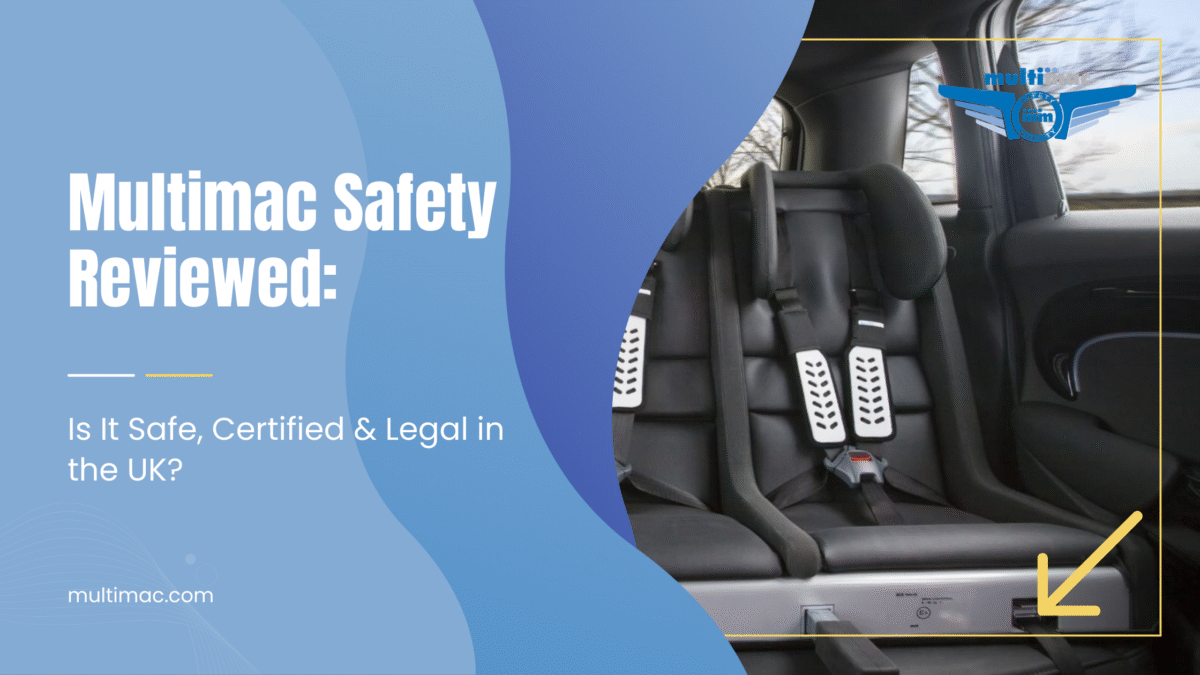
Systems like Multimac position all children in the main cabin, away from crumple zones. The aluminium frame structure distributes forces across the entire system rather than to individual plastic seat shells.
Multimac holds R129 certification, which requires mandatory side-impact testing with advanced Q-series crash test dummies containing 32 sensors compared to just 4-6 in older R44 testing. The system often exceeds test requirements so dramatically that results require verification testing.
Individual Seat Safety Gaps
When installing 3 seats individually in tight quarters, parents often cannot properly check harness tightness or buckle security because they physically cannot reach into the narrow gaps. A correctly-installed seat is safer than the most advanced seat installed poorly.
Why Don’t More Families Know About These Alternatives?
The car industry spends billions on marketing 7-seaters to families. Dealerships earn significant commissions on vehicle sales. Finance companies profit from hire purchase agreements.
Multi-child car seat systems generate no recurring revenue for car manufacturers. They actively discourage families from buying new vehicles. There’s no marketing budget to compete with automotive advertising.
Most families default to 7-seaters not because they’re the best solution, but because they’re the most visible and heavily promoted solution.
Making Your Decision: Which Alternative Suits Your Family?
Work through this framework to identify your best option:
Choose Multi-Child Seat System If:
- Your children all require car seats (under 135cm/12 years)
- You want to keep your current vehicle
- You value boot space and vehicle handling
- You prefer maximum safety positioning (main cabin, not crumple zone)
- You want to save £40,000-£60,000+ over 5-10 years
- Your vehicle has adequate rear seat width (check compatibility)
Choose Strategic Individual Seats If:
- You have very wide rear seats (53+ inches verified)
- Your children are all similar ages requiring identical seat types
- Your need is short-term (1-2 years maximum)
- You’re comfortable with tight quarters and difficult access
- Budget constraints prevent larger investment
Choose Second Car If:
- You genuinely need a second vehicle for other reasons
- Parents work opposite schedules requiring independent transport
- You have free or very cheap vehicle access
- Children will age out within 2-3 years
Choose Rental/Borrowing If:
- Your 7-seat need is genuinely occasional (monthly or less)
- You have reliable access to borrowed vehicles
- Your daily needs are met by current vehicle
- You’re comfortable with rental logistics
Only Choose 7-Seater If:
- You frequently transport additional adults beyond your children
- Your family genuinely requires 7 seats regularly
- You’re prepared for higher costs, reduced boot space, and safety compromises
- None of the alternatives meet your specific circumstances
The Decision UK Families Are Actually Making
Over 3,000 UK families have chosen the Multimac multi-child seat system approach instead of buying 7-seaters. Their consistent feedback reveals why:
“We saved over £40,000 by keeping our Audi Q5 instead of upgrading to a Q7. The Multimac gives us more practical boot space than a Q7 with the third row in use.” – Hampshire family with four children
“I genuinely didn’t know this was an option. We nearly bought a second car before discovering we could fit all three children in our Golf Estate.” – Leeds family with three children aged 2-8
“The safety positioning made the decision for us. Why would we put our children in the crumple zone when we can keep them in the main cabin?” – Edinburgh family with triplets
These aren’t promotional testimonials. These are real families who evaluated the alternatives and chose the approach that saved them money whilst improving safety and practicality.
What This Actually Costs vs What You’d Spend Otherwise
Here’s the brutal financial reality:
7-Seater Approach (5 years):
- Mid-range 7-seater: £42,995
- Depreciation, insurance, fuel, maintenance: £36,348
- Total 5-year cost: £79,343
Second Car Approach (5 years):
- Cheap people carrier: £8,000
- Insurance, tax, MOT, servicing, repairs: £12,200
- Total 5-year cost: £20,200
Multi-Child Seat System (5 years):
- System with professional installation: £2,300
- Replacement parts over 5 years: £200
- Total 5-year cost: £2,500
The saving is £76,843 over five years compared to buying a 7-seater, or £17,700 compared to a second car.
Even accounting for the fact you’ll eventually sell the 7-seater or second car, depreciation means you’re still tens of thousands of pounds better off avoiding the vehicle purchase entirely.
Your Next Steps
If you’re facing the “we need more seats” dilemma, here’s what to do:
First, verify your actual needs: Count how often you genuinely need more than your current car provides. Is it daily (school runs with multiple children), weekly (regular activities), monthly (family outings), or occasionally (holidays only)?
If it’s daily or weekly, vehicle-based solutions (7-seater, second car) or multi-child seat systems make sense. If it’s monthly or less, rental/borrowing might suffice.
Second, check compatibility: Use the Multimac fitting checker to verify whether your current vehicle accommodates a multi-child system. This takes 2 minutes and provides instant compatibility confirmation.
Third, calculate your real costs: Use the formulas in this guide to calculate what each alternative actually costs over 5 years, not just the initial purchase price. Include depreciation, insurance, fuel, maintenance, and opportunity cost.
Fourth, evaluate safety positioning: Consider where your children will actually sit in each option. Main cabin? Crumple zone? How does that affect your decision?
Finally, talk to families who’ve made the choice: The Multimac testimonials page includes verified feedback from real UK families. Read about their experiences, their reasoning, and their outcomes.
The Choice Dealerships Don’t Want You to Know About
Car dealerships profit from selling you a new vehicle. They have no incentive to mention that you might not need one.
Finance companies profit from hire purchase agreements. They lose money if you keep your current car.
Marketing departments spend millions promoting 7-seaters as the “family vehicle.” They don’t mention the safety compromises, boot space losses, or financial costs.
But you now know the alternatives exist. You’ve seen the real costs. You understand the safety implications.
Whether you choose a multi-child seat system, strategic individual seats, a second car, or ultimately decide a 7-seater genuinely suits your specific needs, you’re making an informed decision based on complete information rather than defaulting to the most heavily marketed option.
For most UK families with 3-4 children, the multi-child seat approach saves £40,000-£60,000 over vehicle ownership whilst improving safety and practicality. That’s not marketing spin. That’s financial reality backed by thousands of families who’ve made the switch and never looked back.
Ready to explore whether your vehicle is compatible with a multi-child system?
Use the fitting compatibility checker to verify your specific make and model. Request a quote through the quote builder to see exact pricing for your circumstances. And contact the Multimac team at 0121 44 22 007 or info@multimac.com with any questions about how the system works with your particular vehicle and family needs.
The alternative to buying a 7-seater isn’t “make do.” It’s “make a smarter choice that saves tens of thousands of pounds whilst actually improving your family’s safety and daily experience.”